

Views: 222 Author: Wode Valve Publish Time: 2026-05-14 Origin: Site


Carbon capture only works reliably when the flow of gases and liquids is controlled with absolute precision—and that control lives inside the valves. As a valve manufacturer focused on water and municipal infrastructure, I have seen first-hand how robust automated valves turn carbon capture concepts into stable, safe, and maintainable industrial systems. [linkedin]
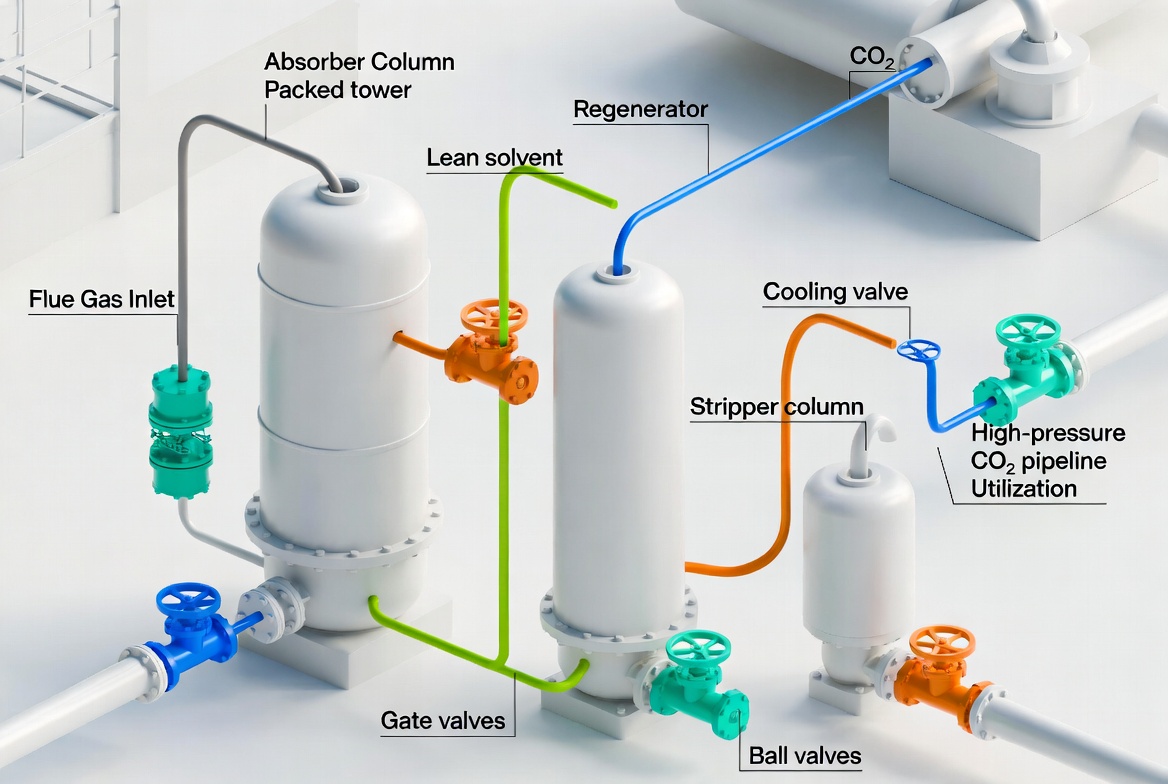
Carbon capture, utilization and storage (CCUS) aims to capture CO₂ from point sources—such as power plants, cement kilns, and chemical facilities—before it reaches the atmosphere. The captured CO₂ is then compressed, transported (typically via pipeline), and either injected into geological formations or reused in industrial processes. [carbonherald]
At every stage of this chain, automated valves perform three essential jobs:
- Isolate equipment and pipelines for safety and maintenance
- Regulate flow, pressure, and temperature with precise control
- Protect downstream assets through non-return and over‑pressure functions
Industry analyses consistently describe on–off and control valves as "key enablers" in the journey toward net‑zero, because any instability in flow or pressure directly undermines capture efficiency and plant availability. From an engineering standpoint, a CCUS project with poor valve specification is a high‑risk project, no matter how advanced the capture chemistry looks on paper. [arcweb]
In real projects, engineers quickly learn that CCUS service is harsher than standard water or HVAC duty. Several factors drive this:
- Corrosive media: CO₂ in the presence of water forms carbonic acid; in post‑combustion capture, flue gas may also contain SOx, NOx and particulates. [sciencedirect]
- High pressures and temperatures: Compression and transport often operate at elevated pressures and sometimes high temperatures, demanding tight sealing and robust bodies. [carbonherald]
- Frequent cycling and automation: Valves open/close or modulate continuously based on real‑time process data from PLCs or DCS systems. [arcweb]
Traditional, manually operated utility valves often struggle in these conditions. To ensure long‑term reliability, CCUS projects require:
- Carefully selected metallurgy and coatings for the body, disc and seat
- High‑performance sealing solutions that tolerate temperature swings and abrasive particles
- Actuation packages designed for high cycle life and seamless integration with plant controls
In carbon capture processes, valves are exposed to CO₂‑rich, often moist environments, which can be surprisingly aggressive to metals and elastomers. When solids are present (ash, dust, scale), abrasion accelerates wear on seats and discs. [sciencedirect]
To address this, leading manufacturers apply:
- Stainless steels and nickel alloys in critical wetted parts where corrosion risk is high
- Rubber linings or resilient seats in water and slurry sections to provide a forgiving sealing interface
- Surface coatings and overlays to improve erosion resistance in high‑velocity zones [arcweb]
At Tianjin Wode Valve, we design resilient seated butterfly and check valves for water treatment and municipal systems, using carefully controlled rubber formulations and corrosion‑resistant internal surfaces to ensure long‑term sealing in aggressive water and wastewater environments. This water‑sector experience translates directly into CCUS utilities such as cooling water, process water, and wastewater handling around capture units. [zfavalve]
Carbon capture systems often operate with compressed CO₂ at elevated pressures and with streams that can swing in temperature during startup, shutdown and different operating modes. Under these conditions, valve leakage is more than an efficiency loss—it can compromise safety and downstream equipment. [carbonherald]
Modern automated valves respond with:
- High‑temperature packing systems, such as graphite, to maintain tight stem sealing
- Metal‑to‑metal seats or high‑grade elastomers where temperature or pressure exceeds standard duty
- Reinforced bodies and discs that can handle pressure shocks and transient loads [arcweb]
In water‑side and low‑to‑medium pressure sections of CCUS plants, resilient seated gate valves, butterfly valves and soft seated ball valves provide an efficient balance of tight shutoff and cost‑effective maintenance, especially for large diameters up to DN2400. [likvchina]
Today's CCUS facilities are highly automated. Valves are continuously driven by PLCs and DCS systems that monitor flow, pressure and temperature, adjusting valve position in real time. [arcweb]
For reliable operation, engineers look for:
- Actuators with position feedback, fail‑safe modes, and compatible communication protocols
- Clear open/close indications for field staff and commissioning engineers
- Consistent torque characteristics across the valve's life cycle, even as seals age
The original Assured Automation article rightly emphasizes this tight integration between automated valves and advanced control systems, as it is fundamental to achieving stable CO₂ capture rates and staying within regulatory limits. [arcweb]
Many articles emphasize specialized high‑pressure CO₂ valves but overlook the extensive water and utility systems around capture equipment. In practice, CCUS projects behave much like integrated process plants, with large water networks that must remain stable 24/7. This is precisely where Tianjin Wode Valve's portfolio adds value. [tjwdvalve]
Our core product lines include: [linkedin]
- Butterfly valves (wafer, lug, flanged, double eccentric)
- Check valves (wafer, dual plate, partially and fully rubber lined)
- Resilient seated gate valves
- Soft seated ball valves
- Strainers and rubber expansion joints
These valves are already widely used in water treatment plants, municipal water supply and wastewater systems, all of which share similar reliability and sealing requirements with CCUS utility circuits. In CCUS facilities, this portfolio typically supports: [zfavalve]
- Cooling and process water for absorption columns and compressors
- Municipal water connections for plant services
- Firewater and safety systems
- Wastewater treatment and blowdown lines
By designing for zero leakage testing, corrosion resistance, and stable performance across large production batches, we help EPCs and operators reduce unplanned downtime and simplify maintenance planning. [linkedin]
From an engineering and operations perspective, selecting the right valve type for each duty is one of the most practical, high‑impact decisions you can make in a CCUS project. Below is a concise view of how common valve types fit typical services around capture units and water systems. [sciencedirect]
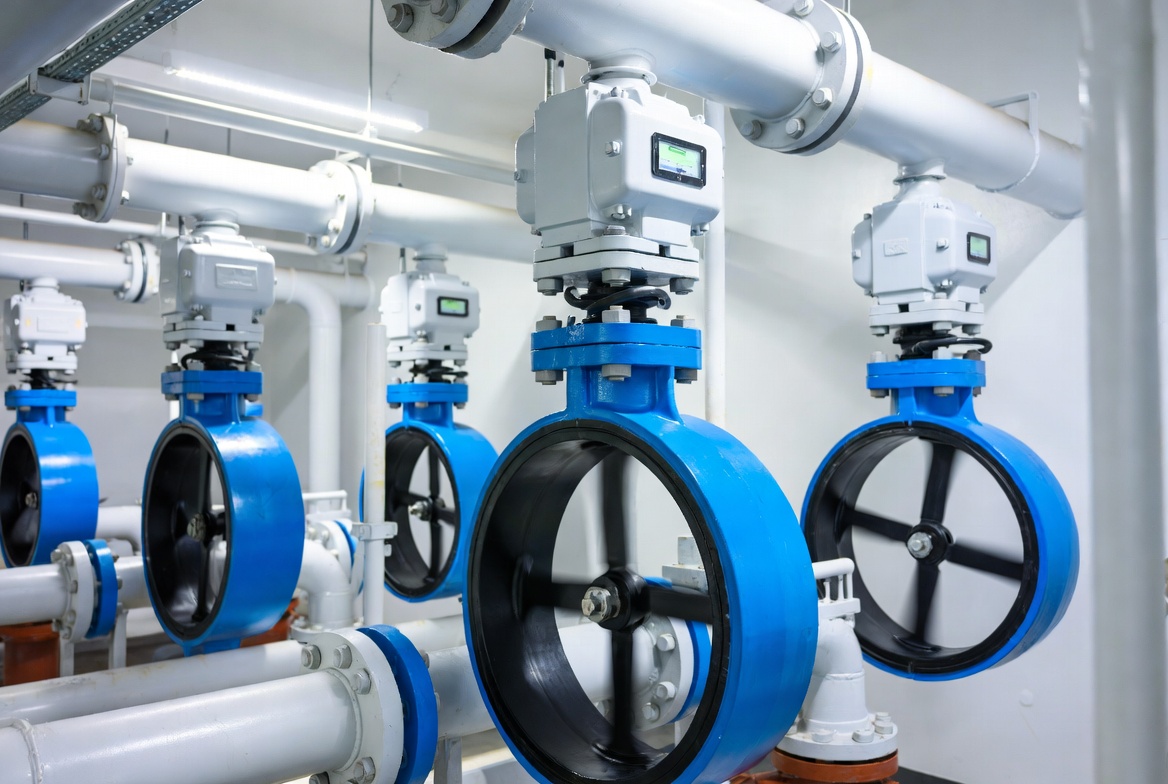
- Butterfly valves: Large‑diameter on–off and throttling in cooling, process and municipal water networks
- Check valves: Backflow prevention in pump discharge lines and CO₂ or water transfer headers
- Gate valves: Isolation valves where full bore flow and minimal pressure drop are important
- Ball valves: Fast‑acting isolation, drain and vent duty, especially in smaller sizes
- Strainers & expansion joints: Protect valves and pumps from debris, vibration and misalignment
| Valve type | Typical CCUS utility application | Key strengths |
|---|---|---|
| Butterfly valve | Large‑diameter cooling and process water lines | Compact, cost‑effective, good for automation linkedin |
| Check valve (dual plate / wafer) | Pump discharge, preventing CO₂ or water backflow | Short face‑to‑face, low weight, quick closing linkedin |
| Resilient seated gate valve | Buried municipal water mains, isolation headers | Full bore, low pressure loss, reliable sealing linkedin |
| Soft seated ball valve | Skids, drain/vent lines, instrument connections | Tight shutoff, quick operation, easy actuation linkedin |
| Y‑type strainer | Upstream of control valves and pumps | Protects from solids, extends valve life linkedin |
| Rubber expansion joint | Pump suction/discharge, long pipe runs | Absorbs vibration, thermal expansion and misalignment linkedin |
By aligning valve selection with actual duty conditions—media, pressure, temperature, cycling frequency—you can significantly extend asset life and reduce lifecycle cost. [idtechex]
CCUS is moving from pilot scale toward wider commercial deployment, particularly in hard‑to‑abate sectors like steel and cement. Several trends are shaping future valve requirements: [idtechex]
- Scaling up plant sizes: Larger capture units mean higher flow rates and larger diameters, which increase the importance of stable, low‑torque designs in butterfly and gate valves. [linkedin]
- More corrosive chemistries: Novel solvents and sorbent technologies can be more aggressive to metals and elastomers, pushing demand for advanced linings and seat materials. [resourcewise]
- Stricter leakage and emission standards: Regulations are tightening around fugitive emissions and leakage, requiring validated test procedures and traceable quality control in valve manufacturing. [idtechex]
For a manufacturer like Tianjin Wode Valve, this translates into sustained investment in:
- Enhanced material control and rubber formulation management
- Expanded large‑diameter capability (up to DN2400 and special sizes) to serve big water infrastructure around CCUS plants
- Continuous testing and certification aligned with international standards and customer specifications [linkedin]
For project owners, partnering with OEMs that already serve critical water infrastructure is an efficient way to bring proven, high‑reliability valves into new CCUS applications. [tjwdvalve]
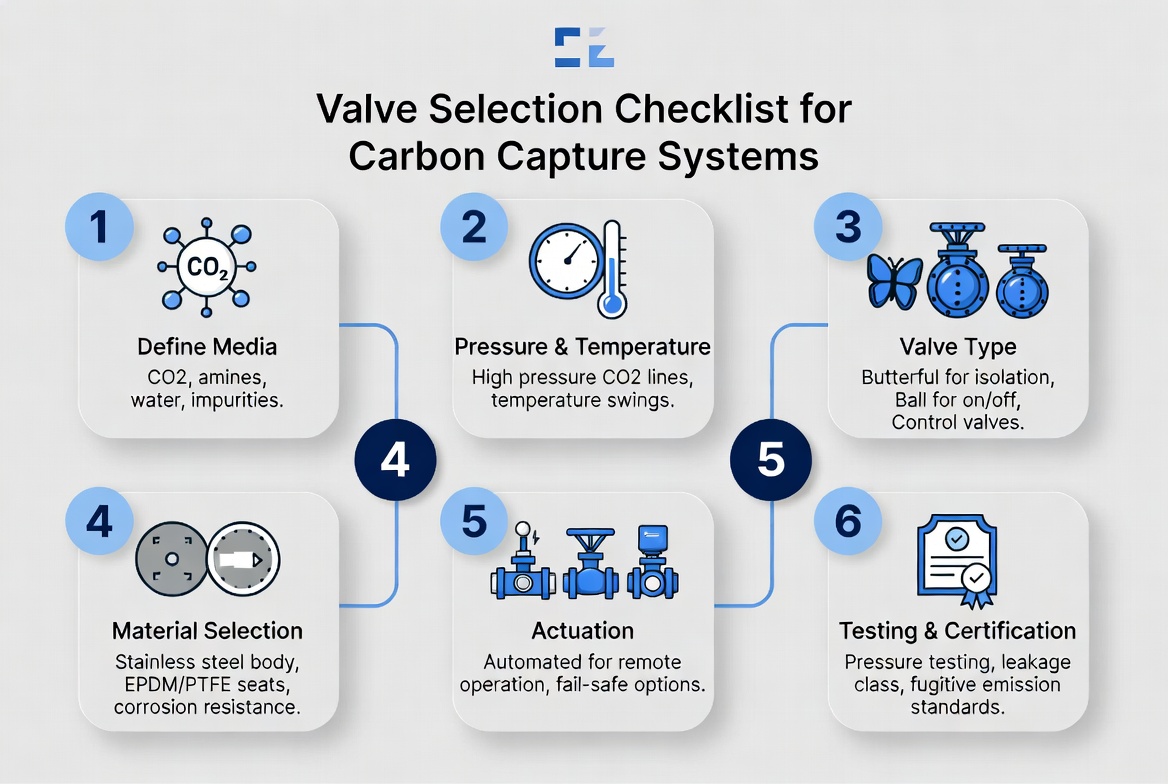
Based on both industry guidance and our manufacturing experience, here is a practical step‑by‑step checklist for specifying valves around carbon capture units on the water and utility side:
1. Define the medium clearly
- Water type (raw, potable, demineralized, wastewater)
- Presence of solids, scaling, or corrosive chemicals
2. Confirm operating envelope
- Normal and maximum pressure and temperature
- Expected cycling frequency (on–off vs modulation)
3. Choose valve type by duty
- Butterfly for large‑diameter isolation and control
- Gate for buried mains and full‑bore isolation
- Ball for small‑bore isolation and vents
- Check for backflow protection
- Strainer & expansion joint for equipment protection
4. Specify materials and coating
- Body and disc materials adjusted to corrosion risk
- Seat/lining material matched to temperature, chemical compatibility and required tightness
5. Define actuation and control needs
- Manual vs electric or pneumatic actuation
- Required failsafe (fail‑open, fail‑close, fail‑last)
- Interface with PLC/DCS and required feedback signals
6. Align with standards and testing
- Relevant international standards for design and testing
- Leakage class, torque safety margins and factory test requirements
Following such a structured approach gives EPCs and operators a repeatable method to select valves that will remain reliable over decades, not just through the first performance test. [ndash]
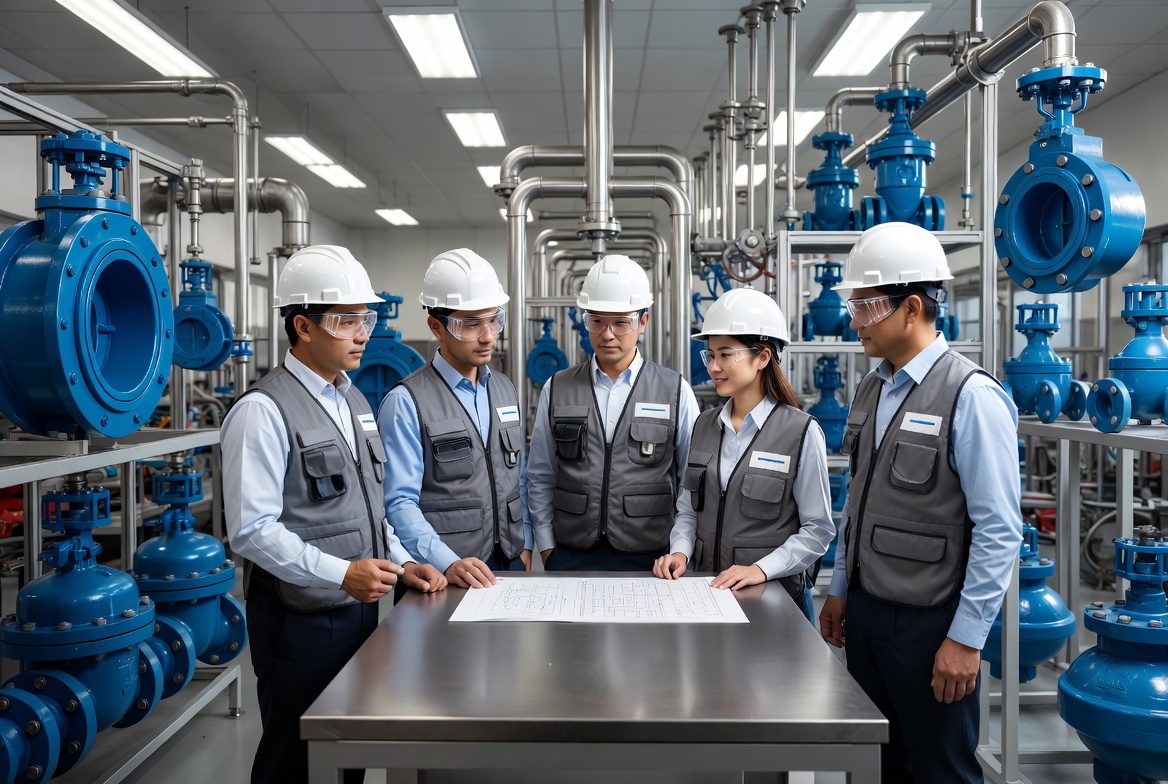
Carbon capture is often discussed in terms of capture chemistry and subsurface storage, but in practice, water management is just as critical. Poorly designed water and wastewater systems can cause unplanned shutdowns, scaling, corrosion, and safety incidents that overshadow the performance of the capture units themselves. [carbonherald]
Tianjin Wode Valve has spent more than a decade focusing on:
- Water treatment plants and municipal water supply networks
- Wastewater systems and industrial fluid control projects
- Customized large‑diameter and non‑standard valves for complex infrastructure [linkedin]
Our manufacturing philosophy emphasizes stable quality, customer‑oriented engineering and long‑term partnerships, backed by ISO9001, ISO14001 and ISO45001 management system certifications. For CCUS stakeholders, working with such a supplier means you can apply proven water‑sector reliability standards to emerging carbon capture infrastructure without starting from zero. [tjwdvalve]
If you are planning or executing a carbon capture or low‑carbon industrial project, now is the time to review whether your water and utility valve strategy is aligned with long‑term reliability and sustainability goals. [idtechex]
Tianjin Wode Valve Co., Ltd. supports global distributors, EPC contractors and international valve brands with:
- Customized butterfly, check, gate and ball valves for water and utility services
- Large‑diameter and non‑standard valve manufacturing for infrastructure projects
- OEM and private label cooperation backed by stable quality and full testing [tjwdvalve]
Contact our engineering team to discuss your specific CCUS or water infrastructure requirements so we can help you design reliable, leak‑free valve solutions that support your decarbonization roadmap. [linkedin]
Valves in CCUS often face higher pressures, temperature swings and corrosive CO₂‑rich media, so they need upgraded materials, sealing systems and actuation compared with typical utility duty. [sciencedirect]
Yes, especially for cooling water, process water and wastewater systems around capture units, where resilient seated butterfly, gate and check valves from water treatment applications perform very well. [zfavalve]
Automated valves integrate with PLCs and DCS systems to maintain stable capture rates, protect equipment and respond quickly to process changes without constant manual intervention. [arcweb]
Use butterfly valves for large‑diameter lines and general isolation, gate valves for full‑bore buried mains, and ball valves for small‑bore isolation, drains and vents, based on pressure, temperature and cycling needs. [likvchina]
We combine water treatment and municipal pipeline expertise with large‑diameter, customizable butterfly, check, gate and ball valves, tested for zero leakage and manufactured under certified quality systems for global projects. [tjwdvalve]
1. Assured Automation – "Carbon Capture: The Role of Automated Valves" (accessed 2026).
2. Tianjin Wode Valve Co., Ltd. – About Us and product portfolio (water treatment, municipal pipelines, large‑diameter valves). [tjwdvalve]
3. ARC Advisory Group – "On‑Off Valves: A Key Enabler in the Journey Toward Net Zero" (2025). [arcweb]
4. Carbon Herald – "What's Next For Carbon Capture, Utilization & Storage (CCUS) in 2026" (2026). [carbonherald]
5. ScienceDirect – "Carbon capture and storage: A comprehensive review on current trends, techniques, and future prospects in North America." [sciencedirect]
6. IDTechEx – "Carbon Capture, Utilization, and Storage (CCUS) Markets 2026–2036: Technologies, Market Forecasts, and Players." [idtechex]
7. ZFA Valve – "Common Application of Butterfly Valves" (water distribution, HVAC, chemical systems). [zfavalve]
8. WGContent – "E‑E‑A‑T for content quality" (formatting and trust signals). [wgcontent]
9. nDash – "SEO Content Marketing: How E‑E‑A‑T Builds Trust and Boosts Rankings." [ndash]
10. StellarContent – "The Complete Guide to Google E‑E‑A‑T: How to Improve SEO." [stellarcontent]


