

Views: 222 Author: Wode Valve Publish Time: 2026-05-07 Origin: Site


A high-performance coaxial or ball valve is only valuable when it delivers real reliability in harsh, high-cycle industrial environments like water treatment and municipal pipe networks. Drawing on my experience supporting global distributors and EPC contractors, this article explains how modern high-cycle valves—especially compact coaxial and high-performance ball valves—help operators cut downtime, improve safety, and stabilize total lifecycle cost. [nextmsc]
High-cycle applications such as gas trains, dosing skids, and automated flushing systems can demand hundreds of thousands, even millions, of open–close cycles per year. In these environments, conventional on/off valves often fail early due to diaphragm fatigue, leakage, and coil burnout. [nextmsc]
A modern coaxial valve integrates the process valve and actuator into a single compact body, typically with just one moving part, which dramatically reduces friction points and mechanical wear. High-performance ball valves designed for automation achieve a similar result: low operating torque, robust stem sealing, and optimized flow geometry for minimal pressure loss. [batuvalve]
From an engineering standpoint, the VAX/RSG-type coaxial valve design stands out for three reasons: cycle life, pressure balance, and media flexibility.
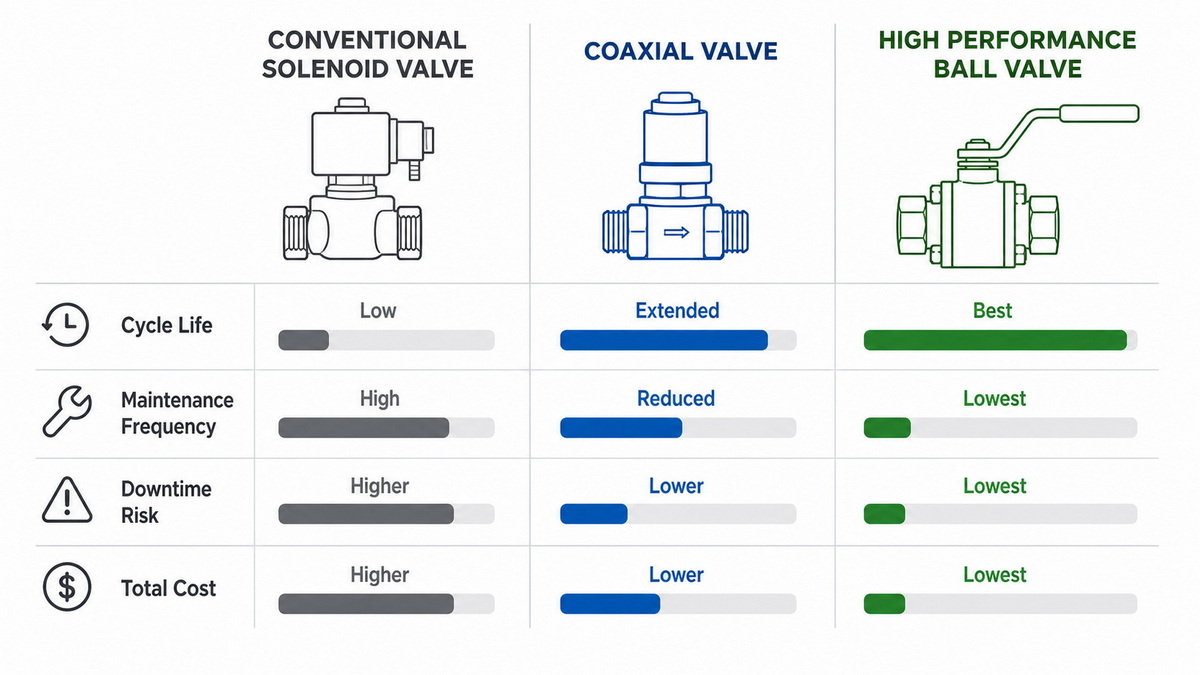
- Extended cycle life: The RSG coaxial design has been documented to achieve up to 10 times the cycle life of conventional solenoid valves, especially in demanding high-frequency service.
- Pressure-balanced design: Internal geometry is engineered so the valve works with the direction of flow rather than against it, which stabilizes operation across a broad pressure range.
- Compact actuator integration: With the actuator built into the valve body, the overall footprint is small, making it ideal for skids and dense manifolds.
In practice, this means less risk of sticking, chattering, or failing to shift under fluctuating supply pressures—problems that maintenance teams on utilities and industrial sites know all too well. [konstructdigital]
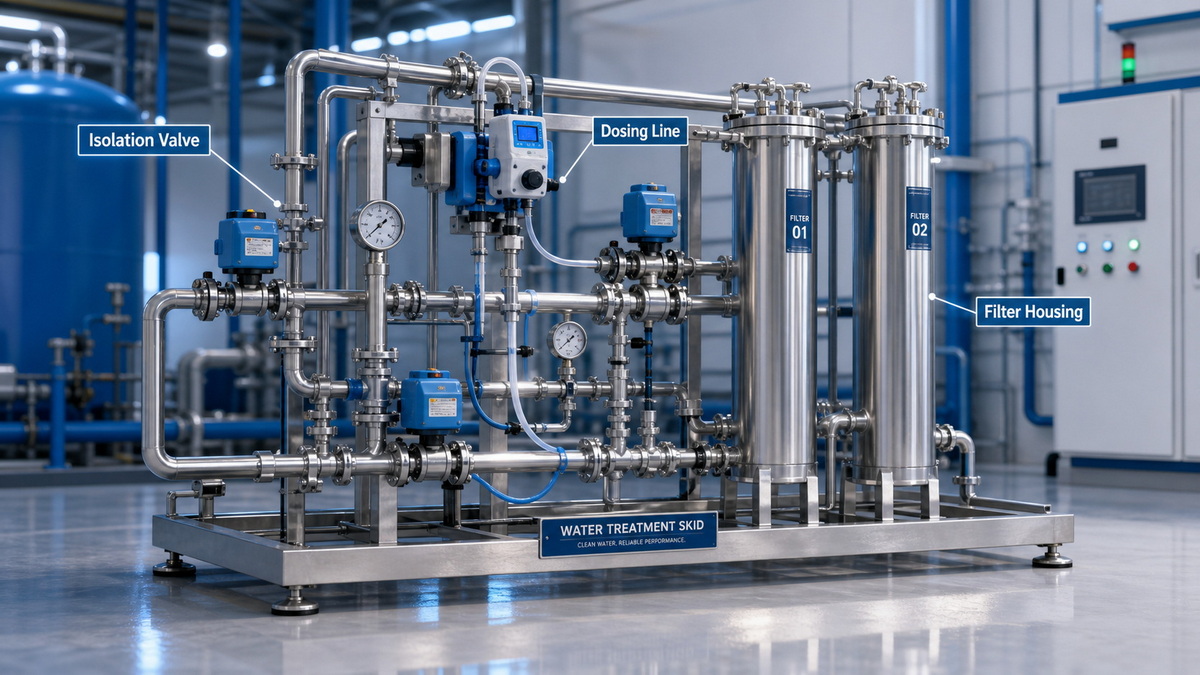
When I review valve specifications for water treatment or municipal projects, I focus on a few critical features that directly influence uptime and safety. The RSG/VAX-style coaxial valves highlight many of these points. [konstructdigital]
For combustion trains, safety interlocks, or emergency isolation, shut-off speed matters. The RSG coaxial valve can close in as little as 0.25 milliseconds in either direction, enabling precise and rapid control. This responsiveness supports tighter process control, safer burner management, and reduced unplanned venting.
- Pressure rating up to 600 PSI, enabling use across compressed air, specialty gases, and medium-pressure liquids.
- Available in 2-way or 3-way configurations to support simple isolation, diversion, or cylinder control.
- Offered in both electric (direct-acting solenoid-like behavior) and pneumatic versions for integration with existing plant utilities.
Because the valve internals work with the flow and rely on a pressure-balanced concept, these coaxial valves are suitable for:
- Vacuum and gaseous media
- Gelatinous or highly viscous fluids
- Pasty, aggressive, or contaminated liquids
- Recycled process fluids and slurries, from vacuum up to 600 PSI
This is particularly relevant in water and wastewater treatment, where solids, sludge, and chemical dosing media can quickly destroy less robust valves. [nextmsc]
A notable example of coaxial valve performance comes from a fabric dyeing plant in Shoemakersville, Pennsylvania. The facility operates a 110–140 foot gas-fired fabric dryer with multiple burners controlled by solenoid valves.
Originally, conventional solenoid valves on the natural gas line suffered from brittle diaphragms, frequent breakage, and unplanned downtime. This created three problems:
- Throughput losses in the dyeing process
- Elevated maintenance labor and spare parts consumption
- Rising safety and environmental concerns related to gas control
After consulting engineers, the plant replaced the existing solenoids with Assured Automation RSG coaxial valves featuring a wear-compensating seat and more robust internals. Over two years of continuous operation—with 12 burners and 36 valves—no valve-related failures or maintenance were reported, while the plant significantly improved throughput and reduced risk.
From my experience working with water utilities and municipal EPC contractors, three lessons from this textile gas-train case directly translate to pipeline and treatment applications. [wodevalve]
1. Design for high-cycle reality, not for nameplate minimums
Sludge recirculation, backwash cycles, and intermittent dosing applications often cycle valves far more frequently than design assumptions. Choosing a high-cycle coaxial or ball valve architecture from the outset can avoid premature failures. [nextmsc]
2. Prioritize wear-compensating and self-cleaning geometries
Seats and seals that can adjust to wear or shed deposits significantly extend valve life in dirty or chemically aggressive water. [nextmsc]
3. Treat actuation and valve body as one system
Integrated designs reduce misalignment, side-loading, and mounting errors that often cause traditional actuated valves to fail early. [batuvalve]
While coaxial valves shine in very high-cycle, compact gas and fluid control, ball valves remain the workhorse for isolation and automated control in water treatment and municipal networks. Recent innovations have made ball valves far more suitable for demanding, long-life service: [wodevalve]
- Optimized flow paths provide higher Cv values at the same nominal size, with minimal pressure loss across the valve. [batuvalve]
- Advanced stem sealing systems drastically reduce fugitive emissions and leakage to atmosphere, improving both safety and environmental performance. [batuvalve]
- New materials, including engineered polymers and advanced alloys, offer improved corrosion resistance with lower weight, especially in cooling and chemical dosing applications. [batuvalve]
For example, 2026 market research highlights the emergence of full-polymer quick-connect valves for direct-to-chip cooling systems, demonstrating how ball-valve-style technologies are moving toward lightweight, corrosion-free designs in sophisticated thermal management. [nextmsc]
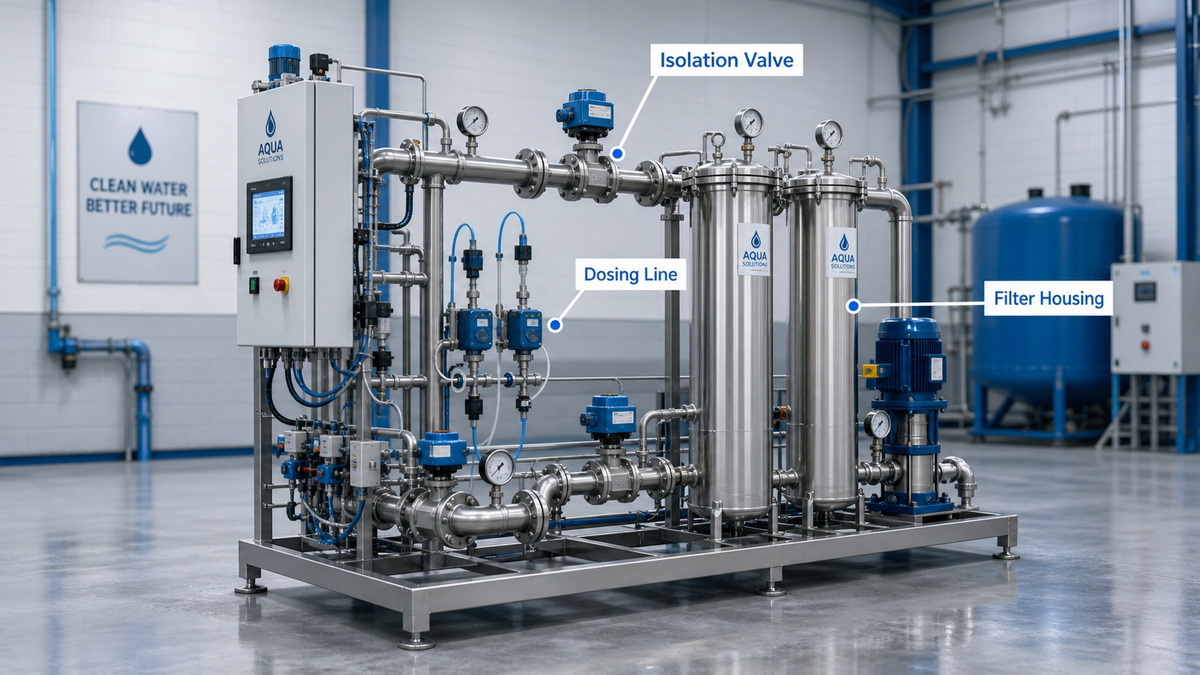
As a China-based manufacturer, Tianjin Wode Valve Co., Ltd. focuses on valve solutions for water treatment and municipal pipeline systems, supplying global distributors, EPC contractors, and international valve brands via OEM and private-label partnerships. Our background in check valves, butterfly valves, and ball valves has shown us where traditional valve designs struggle in high-cycle municipal duty. [wodevalve]
From this perspective, we see three non-negotiables for ball valves targeted at long-life infrastructure projects:
- Consistent sealing performance under frequent cycling and moderate pressure, especially in chlorinated or mildly abrasive water.
- Compact automation packages that integrate cleanly with SCADA and PLC systems, minimizing wiring complexity and panel space. [bigmarketing]
- Predictable lifecycle cost, including clear data on cycle life, seat wear behavior, and maintenance intervals.
This is why we design our ball valves and related products around robust body materials, carefully selected seat compounds, and actuator options tuned for municipal and industrial duty.
Below is a simplified engineering view comparing coaxial valves (e.g., RSG-type) with high-performance ball valves in typical water, gas, and municipal service. [wodevalve]
| Aspect | Coaxial Valve (RSG/VAX Type) | High-Performance Ball Valve |
|---|---|---|
| Internal mechanism | Single linear element in coaxial body | Rotating ball with bore through body (batuvalve) |
| Typical cycle life | Up to 10× conventional solenoids in high-cycle duty | High, depending on seat material and actuator selection (batuvalve) |
| Pressure rating | Up to 600 PSI, vacuum to high pressure | Broad range; often higher ratings for metal-seated designs (batuvalve) |
| Shut-off speed | Extremely fast, down to 0.25 ms | Fast, but typically slower than direct-acting coaxial valves |
| Media range | Gases, viscous, gelatinous, contaminated, recycled fluids | Clean to moderately dirty liquids and gases; specialized trims for slurry (nextmsc) |
| Footprint | Very compact, inline, integrated actuator | Larger due to discrete actuator and mounting hardware |
| Best-fit applications | High-cycle gas trains, dosing, compact skids | Isolation and control in water treatment, municipal pipelines, industrial utilities (wodevalve) |
In modern SEO and product strategy, user reviews and operator feedback are not just marketing; they are a critical source of engineering insight. When we analyze maintenance logs and customer comments, we look for patterns: [marketinglab.com]
- Repeated mentions of leakage, sticking, or coil burnouts often point to underspecified valves or poor actuator–valve pairing. [fastcompany]
- Positive comments on quiet operation, smooth switching, or low torque usually signal good internal geometry and elastomer choice. [marketinglab.com]
When specifying valves for a new water treatment line, reservoir outlet, or municipal distribution booster station, I recommend the following structured approach. [hashmeta]
1. Clarify duty and media
- Required number of cycles per day and expected service life in years.
- Fluid type (clean, chlorinated, slurry, chemical), temperature, and solids content.
2. Define pressure and safety envelope
- Normal and maximum operating pressures, including transient surges.
- Safety integrity requirements (e.g., burner management, emergency shut-off).
3. Select architecture
- Coaxial valve for extremely high-cycle, compact gas or specialized liquid control.
- Ball valve for general isolation and automated control in pipelines and treatment skids.
4. Evaluate lifecycle metrics
- Manufacturer's tested cycle life under realistic conditions.
- Seal and seat materials versus media and temperature.
- Availability of local spares and service support.
5. Consider automation and integration
- Power supply, control signals, and fail-safe requirements (fail-open/fail-close).
- Compatibility with plant PLC, SCADA, and safety systems.
By documenting and publishing such practical selection frameworks, valve manufacturers and solution providers give engineers tangible tools that improve project outcomes and reinforce perceived authority online. [marketveep]
For distributors, EPC contractors, and international valve brands, choosing the right valve architecture early in a project can mean the difference between years of stable operation and recurring shutdown headaches. Whether you are designing a new water treatment line, upgrading a municipal network, or optimizing high-cycle gas and chemical control points, partnering with a specialist manufacturer provides a measurable advantage. [hashmeta]
Tianjin Wode Valve Co., Ltd. leverages extensive experience in ball valves and related valve solutions for water treatment and municipal pipelines, complemented by lessons drawn from high-cycle coaxial, solenoid, and advanced valve technologies used worldwide. If you are planning your next project or reviewing existing valve performance, contact our engineering team to review your duty conditions and receive an optimized valve configuration recommendation tailored to your application. [wodevalve]

Choose a coaxial valve when you have extremely high cycle frequencies, compact skid layouts, or safety-critical gas or liquid control that benefits from very fast shut-off and an integrated actuator. For general isolation and control in pipelines and water-treatment applications, a high-performance ball valve is usually more cost-effective and easier to maintain. [wodevalve]
Cycle life directly impacts how often you must shut down for valve replacement, which can cost far more than the valve itself. Valves with extended cycle life—such as RSG-type coaxial valves or modern engineered ball valves—reduce unplanned downtime, spare-parts usage, and labor, improving total lifecycle economics. [nextmsc]
Yes, coaxial valves designed with a pressure-balanced, streamlined internal geometry are suitable for gelatinous, highly viscous, contaminated, or recycled fluids from vacuum up to 600 PSI. However, careful material and seal selection is still necessary; in some heavy-slurry cases, specialized ball or plug valves may be preferred. [batuvalve]
Ask for pressure and temperature ratings, tested cycle life data, material certificates, and any relevant standards or approvals, such as ISO-based quality systems and industry-specific certifications. For E‑E‑A‑T-aligned technical documentation, request application notes, real-world case studies, and references to installed projects similar to your own. [kerkarmedia]
User reviews and operator testimonials provide unfiltered insights into real-world performance, highlighting reliability, noise level, leakage behavior, and ease of maintenance. When published with structured data on product pages, they also introduce natural long-tail keywords and fresh content that support higher SEO visibility and trust. [marketinglab.com]
1. Assured Automation. "High Pressure Coaxial Valves for High Cycle Life Applications (VAX / RSG)." [Link].
2. Next Move Strategy Consulting. "Ball Valves Market Trends & Industrial Applications 2026." [Link]. [nextmsc]
3. Batu Valve. "Ball Valve Innovations Enhance LNG and CNG Station Efficiency." Valve World Magazine, November 2024. [Link]. [batuvalve]
4. Tianjin Wode Valve Co., Ltd. "About Us – WODE VALVE." [Link]. [wodevalve]
5. MarketVeep. "10 Essential Manufacturing Company SEO Strategies for Success." [Link]. [marketveep]
6. MTSoln. "How to Write an E-E-A-T Optimized Blog Post (for Humans & AI)." [Link]. [mtsoln]
7. Parashift Technologies. "Stand Out in Manufacturing SEO with E-E-A-T." [Link]. [parashifttech]
8. Marketing Lab. "How Reviews and User-Generated Content Power SEO Success." [Link]. [marketinglab.com]
9. Fast Company. "How to Leverage Customer Reviews for Better SEO Rankings." [Link]. [fastcompany]
10. WODE VALVE. "WODE Valve Official Website." [Link]. [wodevalve]


