

Views: 222 Author: Rebecca Publish Time: 2026-02-24 Origin: Site


Content Menu
● What Is a Check Valve and Why It Matters in Water Systems
● Key Check Valve Types and Typical Uses
● Swing Check Valves: Simple Workhorse for Water and Wastewater
● Dual Disc Check Valves: Compact Solution for Limited Space
● Ball Check Valves: Reliable Choice for Slurries and Sewage
● Piston Check Valves: Tight Sealing for High-Pressure Services
● Spring and Silent Check Valves: Controlling Water Hammer
● Y-Type Check Valves: Designed for Easy Maintenance
● Foot Valves: Protecting Pumps at Suction Intakes
● How to Select the Right Check Valve for Water Treatment and Municipal Pipelines
● Common Check Valve Problems in Water Systems and How to Avoid Them
● Case Insight: Check Valve Choice in a Municipal Pumping Station
● Why Work with a Specialized Check Valve Manufacturer
● Take the Next Step with Tianjin Wode Valve Co., Ltd.
● FAQs About Check Valve Types and Applications
>> 1. What is the main purpose of a check valve in a water system?
>> 2. Which check valve is best for sewage and wastewater with solids?
>> 3. How can I reduce water hammer caused by check valves?
>> 4. Can check valves be installed in vertical pipelines?
>> 5. What factors should I consider when selecting a check valve for a new project?
Check valves are critical safety components in water treatment plants, municipal pipeline networks, HVAC systems, and industrial processes, ensuring one-way flow and protecting pumps, pipelines, and clean water supplies from damaging backflow. By understanding the main check valve types and applications, engineers, EPC contractors, and distributors can select valves that improve reliability, reduce water hammer, and lower lifecycle costs in real projects.

A check valve is a one-way valve that allows fluid to flow in a single direction and automatically closes to prevent reverse flow when pressure changes or flow stops. In water and wastewater systems, this function protects pumps, avoids contamination of clean water lines, and reduces mechanical stress on pipelines and equipment. For municipal and industrial users, a correctly selected check valve can extend asset life, prevent unplanned shutdowns, and improve overall system efficiency.
The table below summarizes the most widely used check valve types and where they are commonly applied in water treatment, municipal pipelines, and general industry.
| Check valve type | Typical mechanism | Main advantages | Common applications |
|---|---|---|---|
| Swing check valve | Hinged disc swings open and closed | Low pressure drop, simple design | Water distribution, wastewater lines, pump discharge on clean or dirty water |
| Dual disc (double door) check valve | Two spring-assisted plates in wafer body | Compact, quick closing, reduced water hammer | HVAC, fire water loops, municipal pump stations, limited-space retrofits |
| Ball check valve | Free-moving or guided ball lifts and seats | Handles solids, low maintenance | Wastewater, slurry pipelines, sewage lift stations, sump pumps |
| Piston check valve | Linear-moving piston seals against seat | Tight sealing, good for high pressure | Steam lines, high-pressure water, industrial process lines |
| Spring check / silent check valve | Spring-loaded disc, piston, or plates | Fast closure, non-slam, multi-position | Pump discharge, HVAC, high-rise buildings, treated water mains |
| Y-type check valve | Oblique body with accessible internals | Easy maintenance, low pressure loss | Dirty fluids, wastewater, chemical and pulp & paper systems |
| Foot valve | Check valve with inlet strainer | Maintains pump prime, blocks debris | Well intakes, raw water intakes, tanks, lift and booster stations |
A swing check valve uses a hinged disc that swings open under forward flow and swings back onto the seat when flow reverses, sealing the line against backflow. When fully open, the disc moves out of the flow path, so pressure drop is relatively low and energy losses are moderate for most water applications.
Typical swing check valve applications include:
- Municipal drinking water distribution lines
- Wastewater mains and treatment plant process lines
- Raw water intake lines and cooling water circuits
- Pump discharge where moderate water hammer is acceptable
Because swing check valves depend on flow reversal to close, a small amount of backflow can occur before the disc seats, which may contribute to water hammer in long pipelines or high-head systems. They are not ideal where zero backflow, tight shut-off, or very fast closure is required, especially in high-rise or variable-speed pump systems.
A dual disc (double door) check valve uses two semi-circular plates mounted on a central hinge and assisted by springs, allowing quick opening under forward pressure and rapid closing before significant reverse flow develops. The wafer-style body makes these valves extremely compact and lightweight, especially in larger diameters, which simplifies installation in tight spaces or retrofit projects.
Common dual disc check valve applications include:
- Municipal booster pump stations and distribution manifolds
- HVAC chilled and hot water circuits in buildings
- Fire protection systems and industrial cooling water loops
- General industrial process pipelines for liquids or gases
The spring-assisted plates reduce closure time and limit the risk of slam and pressure surges, making dual disc designs a strong option for systems that start and stop frequently.
Ball check valves rely on a spherical ball that lifts off the seat when fluid flows forward and returns to the seat under gravity or spring force when flow slows or reverses. With no rotating hinges and a simple flow path, ball check valves are robust, tolerant of solids, and typically low maintenance in harsh media.
Typical ball check valve applications include:
- Sewage and wastewater lift stations
- Slurry lines in mining, pulp and paper, and industrial plants
- Stormwater and drainage pumping systems
- Lines with fibrous or particulate content where swing discs may clog
Gravity-operated ball check valves work best in vertical lines with upward flow, while spring-loaded designs can be mounted in multiple orientations if required.
Piston check valves use a cylindrical or conical piston that moves linearly, similar to a lift check, to open under forward flow and re-seat when flow stops or reverses. This design allows precise contact between the piston and seat, resulting in tight shut-off and good performance in higher pressure or higher temperature applications.
They are often chosen for:
- High-pressure water and steam lines
- Industrial process systems where backflow must be minimized
- Vertical installations where a guided piston is more stable than a free ball
- Locations where pulsating flow could cause swing discs to chatter or wear prematurely
Spring-assisted piston check valves are especially useful when installation orientation is constrained or when fast, controlled closure is needed.
Spring check valves use a spring to hold the closure element, such as a disc, piston, or plates, on the seat until the upstream pressure exceeds a defined cracking pressure. Once reached, the spring compresses and the valve opens; as soon as flow drops or reverses, the spring rapidly pushes the element back into position, minimizing reverse flow.
Silent (non-slam) check valves are a specialized form of spring check valve with a short stroke and carefully engineered internals to almost eliminate slam and audible water hammer. They are widely used in:
- Pump discharge manifolds for potable and wastewater systems
- High-rise building supply lines and pressure-boosting stations
- HVAC and chilled water circuits where noise control is important
- Packaged pump skids and municipal treatment skids
Restrictor check valves use adjustable springs to set specific cracking pressures, making them suitable where flow must start only above a defined pressure threshold.
Y-type check valves feature a Y-shaped body, with the check mechanism located in an angled branch that can be opened for inspection and servicing without removing the valve from the line. This provides a major advantage in systems that handle contaminated media or solids, where cleaning and inspection are frequent.
They are often applied in:
- Wastewater treatment, sludge transfer, and grit handling systems
- Chemical processing where deposits or crystallization may occur
- Pulp and paper and other industries with fiber or particulate load
When fully open, well-designed Y-type check valves offer low flow resistance and limited pressure drop, which helps maintain pumping efficiency.
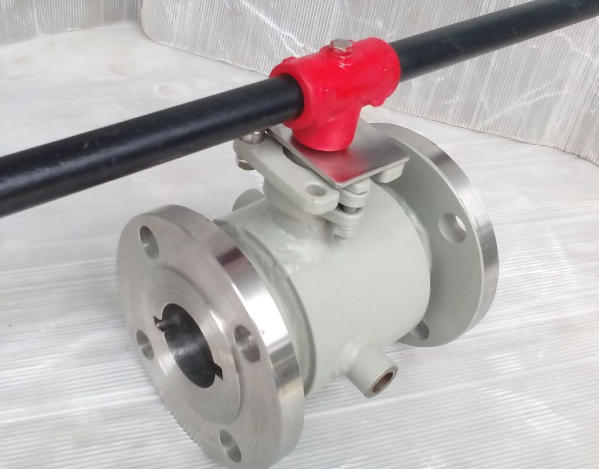
A foot valve combines a check valve and a strainer at the inlet of a pump suction line, typically at the bottom of a well, tank, or open pit. The check portion allows fluid into the suction line while preventing it from draining back when the pump stops, helping the system maintain prime and reducing start-up issues.
Foot valves are widely used in:
- Groundwater wells and boreholes
- Raw water intake structures and river or lake intakes
- Agricultural irrigation and rural water supply pumps
- Fuel transfer, chemical transfer, and industrial sump applications
Selecting the correct screen material and mesh size is important to block harmful debris without causing excessive pressure loss or frequent clogging.
For water treatment plants, municipal networks, and industrial water users, choosing the right check valve requires a structured evaluation of media, operating conditions, and lifecycle costs. The following practical steps can guide engineering and procurement teams.
1. Define medium and cleanliness
Consider whether the fluid is potable water, raw water, wastewater, sludge, or chemically treated media, and whether it contains sand, grit, fibers, or other solids.
- Clean water: swing, dual disc, and silent check valves
- Dirty water or slurries: ball, Y-type, or specially designed swing or piston checks
2. Check pressure, temperature, and velocity
Verify line pressure, differential pressure, and operating temperature ranges, paying attention to start-up and transient conditions that may exceed nominal data.
- High pressure or temperature: piston, lift-type, and robust spring-loaded checks
- Low pressure with large diameter: carefully sized swing or dual disc valves
3. Assess installation orientation and space
Confirm pipe diameter, layout, and whether the line is vertical or horizontal.
- Space-constrained or retrofit projects: wafer dual disc or compact spring checks
- Vertical lines with solids: guided ball checks or suitable piston checks
4. Evaluate water hammer risk
For long mains, high heads, or fast-closing isolation valves, water hammer can damage both valves and pipelines.
- High water hammer risk: spring-loaded silent checks and properly sized dual disc valves
- Lower risk systems: swing and ball checks may be adequate
5. Consider maintenance strategy and lifecycle cost
Balance initial valve cost against expected maintenance requirements and downtime impact.
- Easy-access designs, such as Y-type checks or top-entry swing checks, help in dirty services
- Foot valves with accessible strainers reduce pump failure risk in raw water intakes
When check valves are poorly selected or installed, they can become a source of failures and unplanned costs instead of protection. Understanding typical problems helps designers and operators prevent issues at the specification stage.
Frequent issues with check valves include:
- Water hammer and slam caused by slow or poorly damped closure in long pipelines
- Chattering when flow is too low to keep the disc stable, leading to rapid repeated opening and closing
- Blockage or sticking from debris, scaling, or corrosion on the seat and moving parts
- Excessive pressure drop due to undersized valves, fouled internals, or unsuitable design
- Reverse flow leakage from worn seats, damaged discs, or incorrect installation orientation
Mitigation measures include proper hydraulic design, using silent or spring-assisted checks in critical lines, selecting solids-handling designs for dirty service, and scheduling regular inspection of internal components where fluid quality is poor.
In a typical municipal booster station, engineers often face a trade-off between cost, available footprint, and control of pressure surges. For example, a station with multiple high-duty pumps supplying an urban distribution network may replace large swing check valves with wafer-type dual disc or silent check valves to reduce slam and noise during frequent pump starts and stops.
By combining spring-assisted dual disc valves on the main discharge headers with foot valves on raw water intakes, the station can lower surge pressures, maintain pump prime, and cut maintenance events associated with seal and bearing failures. These project-level optimizations illustrate how thoughtful check valve selection directly supports network stability and service continuity.
For global distributors, EPC contractors, and international valve brands, partnering with a dedicated check valve manufacturer ensures application-appropriate design, documentation, and long-term support. A specialist with a broad portfolio covering butterfly valves, check valves, and resilient seated gate valves can coordinate valve characteristics across the whole pipeline system, not just individual components.
Tianjin Wode Valve Co., Ltd. is a leading industrial valve manufacturer focusing on water treatment and municipal pipeline applications, offering product solutions tailored to global standards and project requirements. With professional engineering support and quality control, such partners help reduce selection risk, shorten project cycles, and support long-term system reliability in international projects.
If you are planning or upgrading a water treatment plant, municipal pipeline network, or industrial water system, the right check valve selection can significantly improve reliability and reduce lifecycle costs. Contact Tianjin Wode Valve Co., Ltd. today to discuss your project conditions, request technical support, and obtain tailored check valve solutions optimized for your specific application. Our team is ready to help you protect your pipelines, pumps, and water quality with reliable, project-ready valve configurations.
Contact us to get more information!
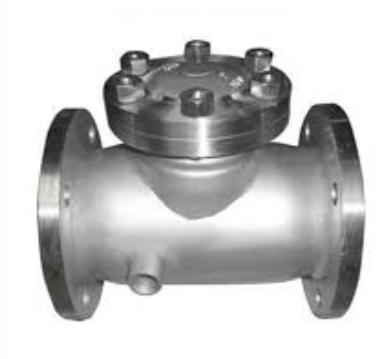
The primary purpose of a check valve is to allow flow in one direction and prevent backflow. This protects pumps from reverse rotation, prevents contamination of clean water lines, and reduces surge-related stress on pipelines and equipment.
Ball check valves and Y-type check valves are commonly used in sewage and wastewater applications. They tolerate solids, offer simple flow paths, and allow easier maintenance or cleaning compared with some other valve designs.
To reduce water hammer, use spring-loaded silent check valves or properly sized dual disc valves, position check valves correctly in relation to pumps, and consider surge analysis for long or high-head pipelines. In some cases, additional surge control devices may also be required.
Many check valves can be installed in vertical pipelines, but suitability depends on the specific design. Ball and piston check valves with guided or spring-loaded elements are better suited to vertical installations than some gravity-dependent swing checks. Always confirm the manufacturer's installation recommendations.
Key factors include fluid type and cleanliness, pressure and temperature ranges, pipeline orientation and available space, acceptable pressure drop, water hammer risk, and planned maintenance strategy. Considering all these factors early in design helps ensure reliable, low-maintenance operation over the life of the system.
1. https://valveman.com/blog/check-valve-types-and-applications/
2. https://en.wikipedia.org/wiki/Check_valve
3. https://www.avkvalves.eu/en/insights/product-insights/check-valves/introduction-check-valves
4. https://www.bestflowvalve.com/types-of-check-valves-and-their-applications.html
5. https://www.dft-valves.com/water-treatment/
6. https://www.iqsdirectory.com/articles/check-valve.html
7. https://modernpumpingtoday.com/types-of-check-valves-and-their-industrial-applications/
8. https://www.mgacontrols.com/suitable-applications-check-valves/


