

Views: 222 Author: Rebecca Publish Time: 2026-02-10 Origin: Site


Content Menu
● How Butterfly Valves Work in Water Systems
● When Are Butterfly Valves Used? Key Applications
● Main Types of Butterfly Valves for Water and Wastewater
● Advantages of Butterfly Valves in Water Networks
● Glossary of Common Butterfly Valve Terms
● Step‑by‑Step: How to Install a Butterfly Valve Correctly
● Maintenance Best Practices for Butterfly Valves
● What Makes a High‑Quality Butterfly Valve?
>> Compliance with Recognized Standards
>> Robust Materials and Protective Coatings
>> Proven Manufacturing and Testing
● Butterfly Valves vs. Other Shutoff Valves in Water Systems
>> Typical Shutoff Valve Options
● Practical Selection Tips for Engineers and EPC Contractors
● Why Work with a Specialized Butterfly Valve Manufacturer?
● Frequently Asked Questions (FAQ)
>> 1) What is the main purpose of a butterfly valve in water systems?
>> 2) Are butterfly valves suitable for potable drinking water?
>> 3) Can butterfly valves be used for throttling and control?
>> 4) How often should a butterfly valve be maintained?
>> 5) What are common causes of leakage in butterfly valves?
As a leading butterfly valve manufacturer for water treatment and municipal pipeline applications, Tianjin Wode Valve Co., Ltd. helps engineers, EPC contractors, and distributors select reliable, high‑performance butterfly valves for demanding projects. This enhanced guide explains what butterfly valves are, where they are used, how to install and maintain them, and what defines a truly high‑quality design for long‑term service in water and wastewater systems.

A butterfly valve is a quarter‑turn valve that uses a rotating disc mounted on a shaft to start, stop, and regulate fluid flow in a pipeline. When the operator turns the handle or actuator 90 degrees, the disc moves from fully closed (blocking the bore) to fully open (aligned with the flow) or to any intermediate throttling position.
Typical main components include:
- Valve body (wafer, lug, flanged, grooved)
- Disc (vane)
- Stem/shaft
- Seat (elastomeric or metal)
- Actuator (manual lever, gear, electric, pneumatic, or hydraulic)
Butterfly valves belong to the quarter‑turn valve family, like ball valves, and are favored in large‑diameter water pipelines due to their compact design, low weight, and cost‑effective flow control.
In the closed position, the disc sits perpendicular to the flow and seals against the seat, blocking the passage. When the stem rotates, the disc turns toward a position parallel with the flow, dramatically reducing resistance and allowing a high flow rate with a relatively small turning movement.
Key operating characteristics:
- Quick opening: A 90° rotation goes from fully closed to fully open, enabling fast isolation in emergencies.
- Near linear flow: In well‑designed resilient‑seated butterfly valves, disc angle and flow rate are approximately proportional over much of the stroke, which supports good throttling control.
- Bi‑directional capability: Properly designed butterfly valves provide shutoff in both flow directions, important for looped municipal networks and treatment plant manifolds.
Because the disc is always in the flow path, there is some pressure loss even when fully open, but modern designs achieve low pressure drop and high recovery suitable for energy‑efficient water systems.
Due to their compact structure and wide size range, butterfly valves are a standard choice in water and wastewater engineering. Typical applications include:
- Municipal drinking water distribution mains and transmission pipelines
- Raw water intakes and pumping stations
- Wastewater collection and treatment plants (clarifiers, aeration, sludge lines)
- Industrial water circulation, cooling water, and utility services
- HVAC chilled and hot water systems in large buildings
- Fire protection loops and industrial service water when specified
Common use cases in these systems are:
- Isolation of sections for maintenance or repair
- Control of flow and pressure in large‑bore lines
- Emergency shutoff near pumps, tanks, and process equipment
For EPC contractors and operators, the combination of high flow capacity, small footprint, and low installed cost makes butterfly valves particularly attractive on DN200–DN1800 (8"–72") pipelines.
Different body and seat designs allow butterfly valves to match specific pressures, media, and installation conditions.
- Wafer butterfly valves – Compact design clamped between two flanges; ideal where space is tight and system isolation from both sides is available.
- Lug butterfly valves – Threaded lugs around the body allow bolting from each side; suitable for dead‑end service when properly rated.
- Flanged butterfly valves – Integral flanged ends; typically used on larger diameters or higher pressures in municipal networks.
- Grooved‑end butterfly valves – Ends with grooves compatible with grooved couplings for quick installation in mechanical piping systems.
- Resilient‑seated (rubber‑seated) butterfly valves
- Elastomeric seat (EPDM, NBR, etc.) provides tight shutoff.
- Widely used for raw water, potable water, wastewater, and reclaimed water.
- High‑performance (double‑offset) butterfly valves
- Offset shaft and disc geometry reduce seat wear and allow higher pressures and temperatures.
- Suitable for more demanding industrial or high‑pressure water applications.
For most municipal water and wastewater systems, rubber‑seated butterfly valves designed to recognized waterworks standards are the norm.
When properly selected and installed, butterfly valves deliver several important advantages in water and wastewater infrastructure.
Key advantages include:
- Compact and lightweight: Smaller footprint and lower weight than gate valves in large diameters, reducing structural support and installation complexity.
- Low installed cost: Efficient design and easier handling typically lower total project costs for DN200 and above.
- High flow capacity: Streamlined disc profiles and large clear openings support high Cv values and efficient pumping.
- Reliable shutoff: Resilient seats provide bubble‑tight sealing when designed and manufactured to recognized standards.
- Good throttling capability: Near linear flow characteristics support regulation and control duty in many water systems.
- Minimal maintenance: Few moving parts and robust materials translate into long service intervals when basic maintenance practices are followed.
These advantages explain why butterfly valves have become a preferred solution in modern water treatment plants and municipal distribution networks.
Understanding key terminology makes valve selection and specification more precise.
- Quarter‑turn valve – A valve that goes from fully closed to fully open with a 90° rotation of the stem or actuator.
- Near linear – Describes a characteristic where the change in flow rate is approximately proportional to the change in disc opening angle over the control range.
- Quick opening – Flow increases rapidly with a small initial disc rotation from the closed position, enabling fast response in on/off service.
- Flow isolation – Use of a valve primarily to shut off flow and separate sections of a system for maintenance, testing, or safety.
- Dead‑end service – Conditions where the valve is installed with pressure applied from one side only, with no downstream piping; not all butterfly valves are rated for this and special design is required.
For project documentation and specifications, consistent use of these terms helps avoid misinterpretation between designers, contractors, and end users.
Once the correct butterfly valve model is selected for the application, proper installation is essential for tight sealing and long‑term performance.
Follow these practical steps:
1. Inspect and prepare the pipeline flanges
- Clean sealing surfaces thoroughly, removing rust, scale, welding slag, or debris.
- Check for flange warping or misalignment, as these are common causes of leakage and premature seat wear.
2. Position the valve carefully
- Verify the valve is in a slightly open position to protect the seat when inserting between flanges.
- Align the valve body so the disc does not contact pipe or flange faces when opening.
3. Insert bolts and check disc movement
- Install bolts or studs loosely to hold the valve in place.
- Operate the valve through a full stroke to ensure the disc moves freely without interference.
4. Tighten bolts in stages
- Tighten bolts diagonally in several passes, similar to tightening a wheel, to apply even pressure on the gasket or seat area.
- Re‑check disc operation after tightening to confirm there is no binding.
5. Consider orientation and clearances
- For large valves with heavy gearboxes or actuators, an upright orientation is preferred to reduce extra load on the shaft.
- Ensure sufficient space around the valve for disc rotation, especially when installed directly on pumps or other valves; use a spool piece if necessary.
Correct installation reduces the risk of leakage, premature seat damage, and operating torque issues over the life of the system.
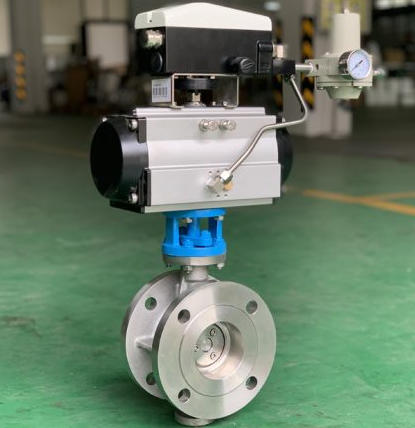
Like any mechanical equipment, butterfly valves need regular, simple maintenance to preserve performance and extend service life.
Core maintenance actions:
- Cycle the valve regularly
- Periodically open and close valves that are normally left in one position to prevent sticking and sediment buildup.
- Establish a routine according to plant procedures for system‑critical valves.
- Monitor seat condition
- Inspect for signs of leakage or incomplete shutoff, which may indicate seat wear or damage.
- Plan for seat replacement or valve replacement when sealing performance deteriorates, depending on design and available spare parts.
- Lubricate when appropriate
- In dry environments or for specific designs, light lubrication of moving parts can reduce friction and wear; always follow the manufacturer's instructions.
- Check actuators and gearboxes
- Verify travel stops, torque settings, and limit switches on powered actuators.
- Look for loosened fasteners, corrosion, or water ingress in enclosures and linkages.
- Record maintenance activities
- Keep clear records of inspections, adjustments, and replacements for each valve tag.
- Use these records to plan proactive maintenance on critical isolation and control valves.
A clear maintenance plan reduces unexpected downtime and supports safe, reliable operation of water and wastewater systems.
Not all butterfly valves are created equal. For drinking water, wastewater, and industrial water services, engineering teams should focus on specific features that define a high‑quality butterfly valve.
For municipal water and wastewater, rubber‑seated butterfly valves are commonly designed to dedicated waterworks standards. These standards set minimum requirements for:
- Valve body dimensions and end types over a defined size range
- Pressure classes suitable for typical water system pressures
- Materials, seat design, and leakage limits
- Testing procedures and performance criteria
In addition, valves used in potable water systems should comply with applicable drinking water contact standards, confirming they are safe for use with drinking water.
High‑quality butterfly valves typically feature:
- Ductile iron body with fusion‑bonded epoxy coating for corrosion protection
- Ductile iron disc with epoxy coating and stainless steel sealing edge for durability
- Resilient seat (often vulcanized or securely bonded) designed for repeated cycling
- Stainless steel shaft for high strength and corrosion resistance in water service
These material choices help ensure long‑term reliability in raw water, potable water, wastewater, and reclaimed water across a wide pH and temperature range.
Reliable manufacturers implement:
- Strict quality control on casting, machining, vulcanization, and coating processes
- Routine hydrostatic shell and seat testing to verify pressure integrity and tight shutoff
- Traceability of materials and serial numbers for each valve supplied
For project owners and EPC firms, selecting valves from suppliers that can demonstrate this level of manufacturing discipline reduces risk and life‑cycle costs.
In many water applications, butterfly valves compete with gate valves and plug valves. Each has strengths, but butterfly valves often offer the best balance for large‑diameter lines.
| Feature / Aspect | Butterfly Valve | Gate Valve | Plug Valve |
|---|---|---|---|
| Operating principle | Quarter‑turn rotating disc | Linear rising gate | Quarter‑turn plug |
| Footprint and weight | Compact, lightweight in large DN | Bulky, heavier | Moderate |
| Throttling capability | Good (near linear with proper design) | Generally poor (isolation only) | Fair to good |
| Typical use in water systems | Large‑diameter mains, plants | Isolation on mains | Sewage, slurry, special duties |
| Opening/closing speed | Fast 90° rotation | Slower multi‑turn | Fast 90° rotation |
| Relative installed cost (large DN) | Usually lower | Higher | Similar or higher |
For DN200 and above, butterfly valves usually provide the best combination of performance, space savings, and project economy, especially in modern water and wastewater plants.
To specify the right butterfly valve for water and wastewater applications, engineers should consider the following practical factors.
1. Service conditions
- Medium: raw water, potable water, wastewater, sludge, or reclaimed water.
- Temperature and pH range, presence of solids or chemicals.
2. Pressure and size
- Operating and transient (surge) pressures.
- Pipe diameter and connection standard (flanged, wafer, lug, grooved).
3. Function in the system
- Isolation only, or combined isolation and throttling.
- Frequency of operation: occasional, regular, or automatic cycling.
4. Standards and approvals
- Conformance to relevant waterworks standards for rubber‑seated butterfly valves in water service.
- Drinking water contact approvals where required for potable water systems.
5. Actuation and control
- Manual handle for small sizes and low pressures.
- Gear operators for larger diameters or higher differential pressures.
- Electric, pneumatic, or hydraulic actuators for remote or automated operation.
6. Installation environment
- Indoor vs. outdoor, buried vs. above ground, exposure to corrosive atmospheres.
- Access for maintenance and actuator service.
By systematically reviewing these points, project teams can select butterfly valves that deliver safe, efficient, and maintainable performance for the full life of the system.
Selecting the right butterfly valve is not only about catalog data; it is about partnering with a manufacturer that understands water and wastewater systems in depth. A specialized supplier can:
- Review project conditions and help optimize valve type, materials, and actuation.
- Recommend solutions for surge control, throttling, and critical isolation points.
- Support installers with clear guidance on orientation, bolting patterns, and commissioning.
For global distributors, EPC firms, and international valve brands, a reliable manufacturing partner reduces risk, shortens project timelines, and improves long‑term performance for end users.
If you are planning or upgrading a water treatment plant, municipal pipeline, or industrial water system and need high‑quality butterfly valves tailored to your project, our engineering team is ready to support you from design to commissioning. Share your pipeline data, pressure conditions, and operating requirements with us today, and we will help you select an optimized butterfly valve solution that improves reliability, simplifies installation, and reduces life‑cycle costs for your next project.
Contact us to get more information!
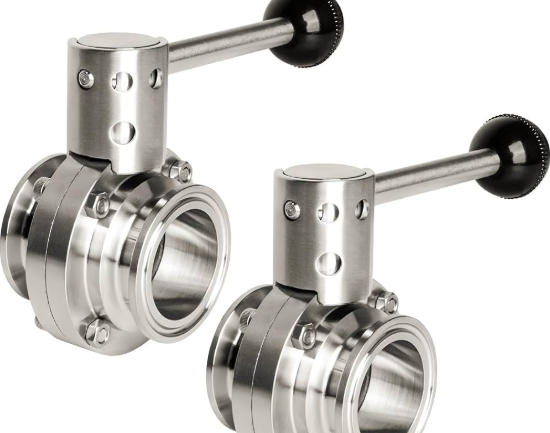
A butterfly valve is primarily used to isolate and regulate flow in water and wastewater pipelines, offering quick shutoff and effective throttling in a compact form factor.
Yes, butterfly valves designed and certified for contact with drinking water are widely used in potable water distribution systems. Always confirm relevant approvals before specifying for drinking water.
Properly designed resilient‑seated and high‑performance butterfly valves provide near‑linear flow characteristics and are frequently used for throttling and control service in water applications. However, extreme throttling at high differential pressures should be evaluated together with the manufacturer.
Maintenance frequency depends on service conditions, but water utilities typically implement regular inspection and cycling routines according to their plant procedures to ensure valves operate smoothly and maintain tight shutoff.
Frequent causes include damaged or worn seats, misaligned or warped flanges, debris trapped between disc and seat, and incorrect installation torque on flange bolts. Proper installation and periodic inspection significantly reduce these issues.


