

Views: 222 Author: Rebecca Publish Time: 2026-02-17 Origin: Site


Content Menu
● What Is a Shut-Off Valve and Why It Matters
● Core Shut-Off Valve Types: Butterfly, Gate, and Plug
>> Butterfly valves: compact solution for large clean-water lines
>> Gate valves: full-bore isolation for clean and dirty water
>> Plug valves: robust choice for wastewater and slurries
● Key Engineering Factors in Shut-Off Valve Selection
>> 1. Fluid type and properties
>> 2. Flow velocity and pressure differential
>> 3. Valve location and function in the system
>> 4. Operating speed and water hammer control
● Materials, Standards, and Reliability for Water and Wastewater Valves
● Practical Selection Framework for EPC Contractors and Distributors
● Example: Shut-Off Valve Choices in a Municipal Water Treatment Plant
● Comparison Table: Butterfly vs Gate vs Plug Valves
● Frequently Asked Questions (FAQ)
>> 1. Which shut-off valve is best for potable water distribution mains?
>> 2. Can I use gate valves for throttling in my pipeline?
>> 3. Why are plug valves preferred in wastewater plants?
>> 4. How does operating speed affect water hammer in shut-off valves?
>> 5. What documentation should EPC contractors request from valve suppliers?
Choosing the right shut-off valve is critical for water treatment plants, municipal pipeline networks, and infrastructure projects executed by global distributors, EPC contractors, and international valve brands. This guide explains how to select between butterfly, gate, and plug valves and adds practical insights for modern water and wastewater systems.

Shut-off valves are designed to stop or throttle fluid flow at a specific point in a pipeline. They ensure safe isolation for maintenance, protect downstream equipment, and help operators control process conditions such as pressure and flow rate. The wrong selection can lead to leaks, premature wear, water hammer, and unplanned shutdowns.
Key functions of shut-off valves in water and municipal systems include:
- Emergency isolation during pipe or equipment failure.
- Routine isolation for maintenance activities and tie-ins.
- Flow regulation in large distribution networks and treatment trains.
- Protection against backflow, contamination, and pressure surges.
Butterfly valves are recommended primarily for clean fluids like potable water, not for slurries or fluids with high grit content, due to their disc sealing system. They are frequently used for flow regulation and shutdown in large-diameter pipes, especially where space and weight are constrained.
How butterfly valves work:
- A circular disc mounted on a shaft rotates quarter-turn from fully open to fully closed.
- When parallel to the flow, the disc offers minimal resistance; when perpendicular, it seals against an internal seat to stop flow.
- Because the disc is always in the flow, some pressure drop is unavoidable in all positions.
Advantages:
- Compact and lightweight design for large diameters.
- Quarter-turn actuation for fast opening and closing.
- Versatile body styles (wafer, lug, flanged) for flexible installation.
Limitations:
- Not suitable for slurries, sand, or high solids, which can erode the disc and seat.
- Disc in the flow path can be vulnerable in abrasive wastewater and raw water intakes.
Best uses in water and municipal applications:
- Potable water transmission lines.
- Large-diameter clean-water distribution pipelines.
- Low-to-moderate pressure systems where compact valves are preferred.
Gate valves are mainly flanged shut-off valves widely used in potable water systems and are also suitable for slurries or lines with grit or solids. They are a standard choice for both clean water and wastewater applications when full-bore isolation with minimal headloss is required.
How gate valves work:
- A sliding gate or wedge moves perpendicular to the flow to block or allow passage.
- The sealing surface between gate and seats is planar, providing a tight, fluid-tight closure when fully closed.
There are two main stem designs:
- Rising stem (RS): Offers visual position indication (open or closed) but requires more vertical space.
- Non-rising stem (NRS): More compact and cost-effective, suitable where space above the valve is limited.
Advantages:
- When fully open, gate valves offer virtually unobstructed flow, resulting in very low friction loss.
- Can handle both clean water and many wastewater or slurry conditions with suitable materials and design.
Critical limitation:
- Gate valves should not be used for throttling unless specifically designed for that purpose.
- A partially open gate can vibrate under flow, accelerating wear of the gate and seats and causing leakage over time.
Best uses in water and municipal applications:
- Isolation valves on trunk mains and distribution pipes.
- Wastewater and raw water lines where debris may be present.
- Fire protection systems where visual position indication is vital.
Plug valves are quarter-turn valves specially suited to systems carrying slurries or fluids with grit and solids, making them a strong choice for wastewater applications. They are often used for pump control, shut-off, and throttling in demanding municipal and industrial environments.
How plug valves work:
- A rubber-encapsulated plug rotates within the body to open or close flow.
- In modern offset designs, the plug and seat geometry minimize contact during operation, reducing operating torque and wear.
- Unlike ball valves, plug valve seats have no internal cavities, so media cannot become trapped inside.
Advantages:
- Reliable performance in dirty, abrasive, or viscous media.
- Quarter-turn actuation compatible with manual, electric, or pneumatic operators.
- Good shut-off and throttling characteristics when properly selected.
Best uses in water and municipal applications:
- Wastewater treatment plants and sludge lines.
- Grit chambers and return activated sludge systems.
- Raw water intakes with high solids or sand content.
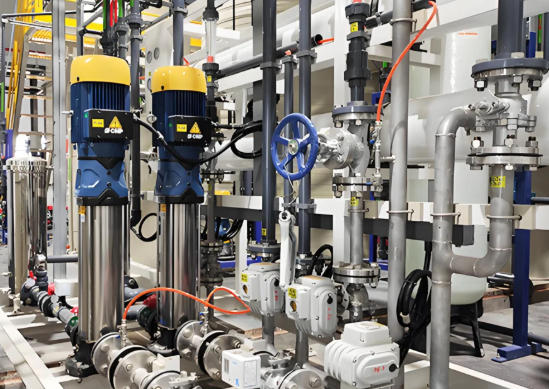
When choosing a shut-off valve for water treatment or municipal systems, you must consider fluid properties, hydraulic conditions, and operating requirements together.
Start by defining the type of fluid and its characteristics:
- Clean potable water versus raw water or wastewater.
- Presence of solids, grit, fibers, or sludge.
- Corrosiveness, temperature range, and potential scaling tendencies.
Butterfly valves are ideal for clean liquids, while plug and properly designed gate valves are better suited for solids-laden media.
Next, analyze flow velocities and pressure differentials across the valve seat:
- Excessive velocity can accelerate erosion in discs, plugs, and seats.
- Large differential pressures can generate high closing forces and increase the risk of water hammer.
Proper sizing and selection help avoid cavitation, vibration, and noise, especially in throttling applications.
Clarify if the valve is intended for:
- On–off isolation only.
- Combined isolation and throttling.
- Pump control or emergency shutdown.
For pure isolation, gate valves and plug valves are often preferred, while butterfly valves can serve both isolation and control in clean-water systems.
The operating speed of valve opening and closing is critical to preventing hydraulic shock. Rapid closure in large water mains can create damaging pressure surges, leading to pipeline failure and equipment damage. Controlled actuation, especially for large-diameter butterfly and plug valves, helps mitigate water hammer risk.
Material selection and compliance with standards are essential to ensure long-term performance and regulatory compliance.
Common material considerations:
- Body materials: Ductile iron with epoxy coating, stainless steel, or specialty alloys depending on corrosion and pressure.
- Trim and seat materials: Rubber encapsulated plugs or wedges, elastomer seats compatible with drinking water or wastewater chemicals.
- Corrosion protection: High-performance coatings and linings for buried or submerged service.
Key standards and certifications relevant to EPC and municipal projects include:
- API and ASME standards for valve design, pressure ratings, and testing.
- ISO-based quality management systems to demonstrate consistent manufacturing quality.
- Drinking water approvals and regional compliance for potable water use.
For water treatment valves, the global market is increasingly emphasizing smart valves, automation, and predictive maintenance, especially in regions investing in new water infrastructure.
EPC contractors and global distributors benefit from a structured selection process to reduce technical risk and improve project outcomes.
Step-by-step selection framework:
1. Define service conditions: Medium (clean water, wastewater, sludge), temperature, pressure, and required shut-off class.
2. Determine pipeline parameters: Diameter, flow rate, velocity, and allowable headloss across the valve.
3. Specify function: Isolation only, throttling, pump control, or emergency shut-off.
4. Shortlist valve types: Butterfly for clean large-diameter service, gate for full-bore isolation, plug for abrasive or solids-laden media.
5. Select materials and standards: Body and trim materials, coatings, and compliance with relevant design and quality standards.
6. Check actuation and control: Manual versus electric or pneumatic actuators, need for position indicators, and integration into control systems.
7. Review testing and documentation: Factory acceptance tests, site acceptance tests, leakage testing, and traceability documentation.
Consider a typical municipal plant with raw water intake, sedimentation, filtration, and distribution stages.
- Raw water intake with sand and debris: Plug valves or specially designed gate valves in abrasion-resistant materials ensure reliable shut-off.
- Sedimentation and sludge handling: Plug valves are preferred for thick sludge and grit channels.
- Filtered water and clean distribution mains: Butterfly valves provide compact, cost-effective shut-off for large-diameter clean-water lines.
- Critical isolation on high-pressure mains: Resilient-seated gate valves offer full-bore, low-loss isolation with high reliability.
This staged approach allows engineers to match valve types to each process zone, improving reliability and lifecycle cost.
| Feature / Aspect | Butterfly Valve | Gate Valve | Plug Valve |
|---|---|---|---|
| Typical media | Clean potable water only | Clean water and many wastewater services | Wastewater, slurries, grit-laden fluids |
| Operation | Quarter-turn disc | Multi-turn sliding gate | Quarter-turn plug |
| Flow obstruction | Disc always in flow, moderate pressure drop | Full-bore, very low friction loss when open | Partial obstruction, optimized for dirty media |
| Throttling capability | Good for clean water applications | Not recommended unless designed for throttling | Suitable for throttling in abrasive services |
| Space requirement | Very compact, ideal for large diameters | Needs more length, rising stems need vertical space | Compact but typically heavier than butterfly |
| Best municipal use cases | Large clean-water mains and headers | Trunk mains, system isolation, fire lines | Wastewater lines, sludge handling, grit channels |
If you are planning or executing a water treatment or municipal pipeline project and need guidance on butterfly, gate, or plug valve selection, system compatibility, or standards compliance, contact our engineering team for a project-specific valve recommendation and quotation. Share your process data, pipeline information, and specification requirements so we can help you design a reliable, efficient shut-off solution tailored to your application.
Contact us to get more information!
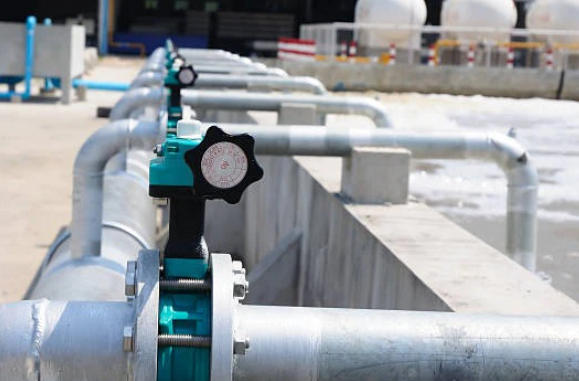
For large-diameter potable water mains, butterfly valves are often chosen because they are compact, cost-effective, and suitable for clean fluids, while gate valves are used where full-bore isolation and minimal pressure loss are critical.
Standard gate valves should not be used for throttling. Partially open gates tend to vibrate, causing accelerated wear and eventual leakage, unless the valve is specifically engineered for regulating service.
Plug valves handle slurries, solids, and abrasive media more reliably than many alternatives, and their cavity-free seat design prevents media from being trapped inside the valve body.
Very rapid valve closure can trigger hydraulic shocks and damaging pressure surges. Using controlled actuation and appropriate closing times helps prevent water hammer and extends system life.
EPC contractors should require factory and site test records, leakage test reports, material certificates, and compliance with applicable design and quality standards, along with traceability documents.


