

Views: 222 Author: Rebecca Publish Time: 2026-02-19 Origin: Site


Content Menu
● What Is a Submersible Check Valve and Why It Matters
● Core Keyword Focus for This Guide
● How Submersible Check Valves Work in a Pump System
● When You Must Install Submersible Check Valves
● Where to Install Submersible Check Valves in a Well
>> The First Check Valve: At or Just Above the Pump
>> Additional Line Check Valves in Deep Wells
>> Surface Check Valve Near the Pressure Tank
● Practical Example: Check Valve Layout in a Deep Well
● How Many Submersible Check Valves Do You Need?
● Installation Best Practices for Submersible Check Valves
● Common Problems Caused by Incorrect Check Valve Installation
● Submersible Check Valves vs. Foot Valves and Other Check Devices
● Maintenance and Inspection of Submersible Check Valves
● Design Considerations for Engineers and EPC Contractors
● Why Partner with Tianjin Wode Valve for Submersible Check Valves
● FAQs About Submersible Check Valves
>> 1. How many submersible check valves do I need in a deep well?
>> 2. Where should the first submersible check valve be installed?
>> 3. Why are multiple check valves recommended instead of only one?
>> 4. Can a surface check valve replace down‑hole check valves?
>> 5. What are the signs that a submersible check valve is failing?
As a leading professional valve manufacturer in China, Tianjin Wode Valve Co., Ltd. supports global distributors, EPC contractors, and OEM brands with engineered submersible check valve solutions for reliable groundwater and municipal water systems. In submersible pump installations, correctly selecting and installing submersible check valves is critical to preventing backflow, protecting pumps, and avoiding costly service issues throughout the life of a well or water system.

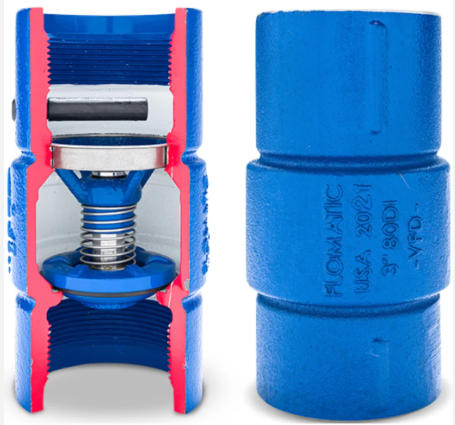
A submersible check valve is a one‑way valve installed in the drop pipe of a submersible pump system to allow water to flow upward while preventing reverse flow when the pump stops. When the pump shuts down, the check valve closes and holds the water column in the riser, preventing it from draining back through the pump and into the well.
Without properly designed and installed check valves, well systems can suffer from:
- Backflow through the pump, causing reverse rotation and mechanical damage.
- Rapid pressure decay and pump short‑cycling due to loss of water column.
- Water hammer and damaging pressure surges in the piping when the flow reverses suddenly.
- Higher energy consumption and reduced system efficiency because of unstable operating conditions.
For deep wells and demanding water supply projects, multiple check valves placed at strategic locations are often necessary to reduce these risks and extend the service life of the system.
This guide is written for engineers, drillers, system designers, and distributors searching for:
- “submersible check valves installation”
- “where to install submersible check valves”
- “when to use submersible pump check valves”
- “how many check valves in a deep well”
Throughout the article, submersible check valves, installation location, and best‑practice placement strategies are explained in practical language to support real‑world design and installation decisions.
When a submersible pump starts, it pushes water up through the drop pipe toward the surface and pressure tank. The submersible check valve opens automatically when the upstream pressure exceeds the downstream pressure, allowing flow to pass. When the pump stops, pressure in the discharge line drops and gravity tries to pull the water column back down.
At this moment, the check valve closes quickly and locks the water column in place, limiting reverse flow and preventing the pump from spinning backwards. In deep well systems, a series of line check valves share the hydraulic load, so that no single valve or joint must absorb the full static head of very tall water columns.
Typical submersible check valve designs include:
- Spring‑loaded axial or in‑line check valves for fast, stable closing.
- Poppet or lift designs optimized for low head loss and vertical installation.
- Heavy‑duty bodies (bronze, stainless steel, or ductile iron) with corrosion‑resistant internals for groundwater environments.
For most submersible pump installations, at least one check valve is required, and in deeper wells multiple valves are recommended or mandated by code. You should install submersible check valves in the following situations:
- Any submersible pump drawing from a drilled or bored well, regardless of depth.
- Deep wells where the water column creates significant static head in the drop pipe.
- Systems with pressure tanks and pressure switches that must maintain pressure between pump cycles.
- Installations subject to frequent start/stop operation, where water hammer risk is higher.
In some jurisdictions, additional check valves near the pressure tank or at the wellhead are specifically required by local plumbing or well regulations. Always confirm local codes before finalizing your submersible check valve installation layout.
The first submersible check valve should be installed directly on the discharge head of the pump or within approximately one pipe length above the pump. Mounting the valve close to the pump keeps the pump and motor protected and helps maintain prime in the riser.
Best practice guidelines indicate that:
- The first check valve should generally not be more than about 25 feet above the lowest pumping level in the well.
- In some cases with air entrainment risk, the first valve may be set slightly above the pump to allow effective purging of air.
- Positioning the valve in laminar flow conditions, one pipe length above the discharge, reduces turbulence‑induced chatter and wear.
For deep submersible installations, additional line check valves are installed along the drop pipe to distribute hydraulic load and minimize the consequences of any single valve failure.
Industry guidance typically recommends:
- Installing submersible check valves approximately every 200 feet of vertical drop pipe, where permitted by the available depth.
- Ensuring no check valve is more than about 200 feet from the next valve in the string for very deep wells.
- Verifying that each valve is installed in the correct flow direction and properly supported so that the valve body is not carrying the weight of the pipe string.
For example, a 750‑foot‑deep well with a pumping water level at 700 feet may require a valve at the pump discharge, a second valve no more than 25 feet above pumping level, then additional line check valves every 200 feet, and finally a surface valve if needed.
Many codes and best‑practice recommendations call for an additional check valve at or above ground, often installed close to the pressure tank or in the horizontal discharge line. This upper valve:
- Helps maintain system pressure on the tank side of the installation.
- Reduces pressure bleed‑back into the well in case of a lower valve failure.
- Can provide an extra barrier against contamination in some system layouts.
However, if the lower valves fail, the upper valve can be exposed to severe water hammer because it becomes the primary barrier against the reversing water column. Selecting robust, fast‑closing submersible check valves and verifying the condition of all valves during maintenance is therefore essential.
Consider a deep well with these parameters:
- Total well depth: 750 ft
- Pump setting: 720 ft
- Normal pumping water level: 700 ft
A recommended submersible check valve layout may include:
1. First check valve at the pump discharge (around 720 ft).
2. Second valve no more than 25 ft above pumping level, e.g., at 675 ft.
3. Additional line valves every 200 ft along the riser, for example at 475 ft, 275 ft, and 75 ft.
4. Optional surface valve at or near the pressure tank.
This configuration spreads the load over several valves and keeps the water column stable during pump shutdowns.
The number of submersible check valves required depends primarily on well depth, pumping level, and regulatory requirements. Use the following practical guidelines:
- Shallow wells (less than about 100 ft): typically one valve at the pump, plus a surface valve as required.
- Medium depth wells (100–300 ft): one valve at the pump, one line valve at mid‑depth, and optionally a surface valve.
- Deep wells (300 ft and deeper): one valve at the pump and additional valves roughly every 200 ft, plus a surface valve near the pressure tank.
Always verify local code requirements for minimum and maximum spacing between valves and for the presence of surface check valves in domestic or municipal systems.
Correct submersible check valve installation is as important as correct location. Poor installation can lead to premature valve failure, noise, or hydraulic instability.
Follow these best practices:
1. Confirm flow direction
- Align the flow arrow on the valve body with the direction of water flow toward the surface.
2. Avoid highly turbulent locations
- Do not install check valves directly at pump discharge in regions of severe turbulence; a short length of straight pipe can stabilize flow.
3. Use proper support
- Ensure the valve body is not bearing the weight of the entire pipe string; use correct couplings and supports.
4. Respect spacing limits
- Keep the first valve within recommended distance from the pumping level and space additional valves at intervals consistent with depth and code.
5. Tighten to manufacturer torque values
- Over‑tightening threaded connections can distort valve bodies and seat alignment, while under‑tightening risks leaks.
6. Test before final completion
- Once installed, perform controlled start‑stop tests, listening for chatter and checking for reverse flow or pressure decay.
Failure to properly size and place submersible check valves can cause a range of operating issues, some of which may be misdiagnosed as pump or motor failure.
Typical symptoms include:
- Noticeable water hammer or banging sounds in the piping when the pump stops.
- Rapid cycling of the pump due to pressure loss between cycles.
- Reverse rotation of the pump, potentially causing motor damage and coupling failures.
- Premature wear or cracking of pipe joints and fittings near the wellhead.
Systematic review of valve locations, condition, and closing characteristics is often the most effective way to diagnose and correct these issues.
Although they serve related functions, submersible check valves, foot valves, and general‑purpose line check valves are optimized for different system layouts.
| Valve type | Typical location | Main function | Typical pump type |
|---|---|---|---|
| Submersible check valve | On or above submersible pump, in drop pipe | Prevent backflow and protect pump in deep wells | Submersible well pumps |
| Foot valve (check + strainer) | At bottom of suction line in water source | Maintain prime and block debris | Jet pumps, surface pumps above water level |
| Line check valve near pressure tank | In discharge line, often above ground | Maintain pressure and isolate tank side | Submersible or jet systems with tanks |
Designers should choose submersible check valves specifically engineered for vertical down‑hole service, rather than general industrial check valves, to ensure long‑term reliability and compliance with water industry standards.
Even robust submersible check valves can wear over time due to sand, debris, corrosion, or repeated cycling. Effective maintenance strategies include:
- Scheduled well workovers to inspect and, if needed, replace line check valves at recommended intervals.
- Monitoring pump start frequency, pressure decay, and noise to detect early signs of valve leakage or chatter.
- Using materials and coatings suitable for the water chemistry (e.g., stainless bodies, corrosion‑resistant springs and seats) to extend valve life.
Timely replacement of worn check valves protects pumps, motors, and pipelines and helps maintain efficient operation of water systems over decades.
For EPC contractors and system designers, submersible check valve installation should be integrated into the hydraulic and mechanical design from the early stages of a project. Key design considerations include:
- Maximum static head and distribution of load among multiple valves in deep wells.
- Interaction between check valve closing characteristics and pump stop times to minimize water hammer.
- Compliance with local codes on check valve count, placement, and accessibility for maintenance.
- Material selection in relation to water chemistry, temperature, and expected service life.
Working with an experienced valve manufacturer allows designers to validate assumptions, choose the correct submersible check valve models, and optimize installation locations for long‑term reliability.
Tianjin Wode Valve Co., Ltd. provides engineered submersible check valve solutions tailored for water treatment plants, municipal networks, agricultural irrigation, and industrial groundwater systems worldwide. By combining application‑specific materials, robust internal designs, and technical support, we help distributors, EPC contractors, and OEM brands achieve stable operation, lower lifecycle costs, and fewer unplanned outages.
Our engineering team can:
- Review your well depth, pump selection, and system layout.
- Recommend the optimal number, type, and location of submersible check valves.
- Support compliance with local codes and project specifications.
- Provide coordinated valve packages for large and multi‑well projects.
If you are planning a new well project or upgrading an existing water system, contact Tianjin Wode Valve Co., Ltd. today to discuss your submersible check valve installation strategy. Our engineers can help you select the right valves, define optimal placement, and design a reliable solution tailored to your depth, pressure, and regulatory requirements.
Contact us to get more information!
The number depends on well depth, pumping level, and regulations, but deep wells commonly use one valve at the pump plus additional line valves approximately every 200 feet, and sometimes a surface valve near the pressure tank.
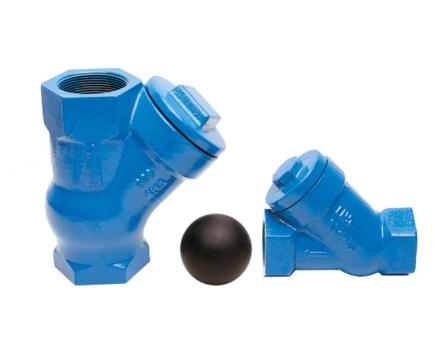
The first submersible check valve is usually installed directly on the pump discharge or within one pipe length above the pump, and it should not be more than about 25 feet above the lowest pumping level.
Multiple valves share the load of the water column, reduce the impact if a single valve fails, limit reverse flow distance, and help control water hammer and pressure surges in deep wells.
A surface check valve near the pressure tank cannot replace down‑hole submersible check valves because it cannot protect the pump from reverse flow or distribute static head; it only helps maintain system pressure on the discharge side.
Typical signs include rapid pump cycling, loss of line pressure between pump cycles, noticeable water hammer on shutdown, reverse spinning of the pump, and gradual drop in system performance.
1. https://www.flomatic.com/news/submersible-check-valves-installation-when-where-why/
2. https://waterwelljournal.com/installing-submersible-check-valves/
3. https://www.thedriller.com/articles/85101-installing-check-valves-in-submersible-pumps
4. https://www.rcworst.com/blog/Use-of-Check-Valves-in-Submersible-Well-Pump-Installations
5. https://support.boshart.com/do-i-need-more-than-one-check-valve-in-a-submersible-pump-system


