

Views: 222 Author: Rebecca Publish Time: 2026-02-15 Origin: Site


Content Menu
● What Is a Pressure Reducing Automatic Control Valve (And Why Maintenance Matters)
● Core Preventive Maintenance Tasks (Technician Checklist)
>> Regular inspection (What to look for)
>> Cleaning (Where problems start)
● Installation and Start-Up: The Best Time to Prevent Future Failures
>> Installation best practices (Non-negotiables)
>> Start-up procedure (Do it by the book)
● Troubleshooting Guide: Symptoms, Likely Causes, and What to Do Next
>> If the valve fails to close (Outlet pressure too high)
>> If the valve fails to open (No downstream pressure recovery)
>> If the valve chatters or hunts (Unstable control)
● Recommended Maintenance Schedule (Monthly / Quarterly / Annually)
>> Monthly
>> Quarterly
>> Annually
● Safety and Adjustment Rules (Protect People and Equipment)
● New: Maintenance Documentation That Actually Improves Reliability
● New: Spares Strategy for PRVs (Reduce Downtime)
● Call to Action (CTA): Build a Preventive Maintenance Program That Scales
● FAQ: Preventive Maintenance for Pressure Reducing Automatic Control Valves
>> 1) What are the most important PRV preventive maintenance tasks?
>> 2) How often should I inspect and clean a pressure reducing control valve?
>> 3) What causes a pressure reducing valve to fail to close (outlet pressure too high)?
>> 4) What causes a pressure reducing valve to fail to open?
>> 5) Why does a pressure reducing valve chatter or hunt?
Pressure reducing automatic control valves (often called pressure reducing valves, or PRVs) protect downstream pipelines and equipment by maintaining stable outlet pressure even when inlet pressure and demand fluctuate. A preventive maintenance program is the fastest way to reduce unplanned outages, extend valve service life, and keep municipal water or industrial distribution systems compliant and reliable.
This guide upgrades common PRV maintenance advice into a repeatable, technician-friendly workflow—including inspection checkpoints, troubleshooting logic, a realistic maintenance schedule, and recommendations for better documentation and spares planning.

Pressure reducing control valves are used in industrial and commercial systems to ensure consistent downstream pressure under changing upstream conditions or flow rates. When maintenance is neglected, symptoms often show up as unstable outlet pressure, chatter/hunting, leakage, or failure to open/close—issues that can cascade into pump cycling, meter inaccuracies, customer complaints, or even pipe damage.
A good preventive maintenance plan is not “extra work.” It is risk management for critical assets in water treatment and municipal pipe networks.
The original article correctly highlights inspection, cleaning, and attention to key control components like the diaphragm, pilot pressure reducing valve (PRP), and orifice. The most effective improvement is turning those ideas into a standardized checklist that techs can run the same way every time.
Perform a routine visual inspection for wear, damage, or leaks at the valve and associated piping. The source specifically calls out inspecting the diaphragm (with the top cover removed), PRP (pilot pressure reducing valve), and orifice as part of that visual inspection routine.
Use these field checks:
- Check for external leakage at covers, fittings, and pilot lines; small drips often signal seal or diaphragm issues.
- Confirm pilot/control tubing is intact and not kinked, rubbing, or vibrating (common causes of premature fatigue).
- Listen for “hunting” (rapid modulation) or “chatter,” which may indicate sizing or debris-related control instability.
Debris is one of the most common causes of PRV performance issues, and the original piece emphasizes keeping components free of dirt and debris. It specifically recommends cleaning the Y-strainer and orifice regularly to prevent clogging that affects valve performance.
Practical cleaning priorities:
- Clean the Y-strainer on schedule; record how much debris is captured to detect upstream deterioration.
- Clean the orifice carefully; do not “oversize” it during cleaning, because flow characteristics can change.
- If debris is recurring, treat it as a system problem (pipeline flushing, upstream filtration, or commissioning quality), not just a valve problem.
Many “maintenance” problems are actually start-up and commissioning problems that only show up months later. The source article stresses correct installation direction (arrow aligned with flow) and pipeline flushing before inserting the valve to prevent debris from entering the valve and control piping.
- Install the valve with the arrow on the body pointing in the direction of flow.
- Flush the pipeline before inserting the valve so debris does not enter the valve or pilot/control piping.
- Ensure the valve is accessible enough for top cover removal (diaphragm inspection) and pilot servicing; if access is poor, maintenance will be skipped in practice.
The source emphasizes following the correct start-up procedure in the O&M manual provided by the valve manufacturer. It also notes that (for their product) the factory sets pressure to specifications at ordering, which is a reminder that field adjustments should be deliberate and documented rather than casual “trial-and-error.”
Operational takeaway: treat every field adjustment as a controlled change—record the “before/after” outlet pressure and the adjustment direction.

The original article usefully groups issues into “fails to close,” “fails to open,” and “chatter/hunting,” along with common causes and corrective actions. The enhanced approach below keeps that structure but makes it faster to diagnose in the field.
The source warns this can result in excessive outlet pressure and lists common causes such as an air-bound main valve, leaking indicator stuffing box, ruptured PRP diaphragm, or a fouled orifice. It also recommends regularly checking and addressing these issues to maintain proper function.
Action steps:
1. Verify isolation valves are in the correct position and gauges are accurate (bad readings create false “valve failure” calls).
2. Check the orifice and strainer for fouling and clean as needed.
3. Inspect the PRP diaphragm; replace if compromised.
4. If air binding is suspected, follow manufacturer guidance to vent/bleed safely and re-test closure.
The source lists causes such as incorrect PRP adjustment, open needle valve, closed isolation valve, or a fouled PRP valve, and advises ensuring proper adjustment and cleaning components.
Action steps:
1. Confirm the PRP adjustment is correct and changes are made slowly.
2. Check for incorrect valve positions (needle valve left open, isolation valve closed) and correct them.
3. Clean the PRP valve components if fouling is suspected.
The source notes chatter/hunting can indicate an oversized valve or debris in the flow control valve, and suggests adjusting the flow control valve and inspecting for debris.
Action steps:
- Inspect for debris in the flow control valve and clean.
- Adjust the flow control valve to stabilize response (small changes, then observe).
- If hunting persists across conditions, revisit sizing assumptions and operating range; chronic instability is often a selection/application mismatch.
The original article provides a clear baseline schedule—monthly, quarterly, and annual—covering inspection, cleaning, and diaphragm checks. Use the schedule below as your standard, then tighten it if your water quality, construction debris, or operating conditions are harsh.
- Visual inspection of the valve and piping.
- Clean the Y-strainer and orifice.
- Check the PRP diaphragm and replace if necessary.
- Inspect the main valve diaphragm and seat packing for wear.
- Comprehensive inspection of all valve components.
- Replace worn or damaged parts to maintain performance.
The source highlights two critical precautions: adjust PRP slowly to avoid sudden pressure changes, and isolate/depressurize the valve before maintenance. It also provides direction for the adjustment screw: clockwise to increase delivery pressure, counter-clockwise to decrease.
- Adjust the PRP slowly to avoid sudden pressure changes that can damage the valve or system.
- Turn the adjustment screw in (clockwise) to increase delivery pressure; turn it out (counter-clockwise) to decrease.
- Isolate the valve and ensure the system is depressurized before starting maintenance work.
Most sites perform “maintenance” but fail to capture what happened—so the same faults repeat. The original article recommends regular checks and a defined schedule; the next step is making your program measurable and auditable.
Add these items to your work order every time:
- Outlet pressure setpoint (target) and actual outlet pressure (before/after).
- Strainer debris level (none/light/moderate/heavy) and debris type (sand, scale, gasket fragments).
- Parts replaced (diaphragm, packing, seals) and reason (wear, tear, rupture, preventative).
- Photos of diaphragm condition during inspections (builds internal “failure library”).
This is how you turn PRV maintenance from a routine task into a system improvement loop.
The source emphasizes that worn or damaged parts should be replaced during comprehensive inspections. To reduce downtime, align spares with the failure modes the source calls out—especially diaphragms and components impacted by debris.
Suggested minimum spares (adjust to your installed base and criticality):
- PRP diaphragm kits (because ruptures are explicitly cited as a root cause in “fails to close”).
- Main valve diaphragm and seat/packing items (explicitly referenced for quarterly inspection).
- Strainer screen elements and seals (because regular cleaning is essential and repeated disassembly accelerates wear).
If you manage municipal water, water treatment plants, or industrial distribution networks, a consistent PRV preventive maintenance workflow will reduce emergency repairs and stabilize downstream pressure performance. If you want to standardize PRV maintenance across multiple sites (or source reliable valves for distributors, EPC projects, or OEM branding), contact Tianjin Wode Valve Co., Ltd. to discuss valve selection, documentation needs, spare parts planning, and long-term supply support.
Plain question (so I can tailor the CTA and internal links): Which products do you want to prioritize for this topic page—pilot-operated PRVs, diaphragm control valves, or a full automatic control valve series?
Contact us to get more information!
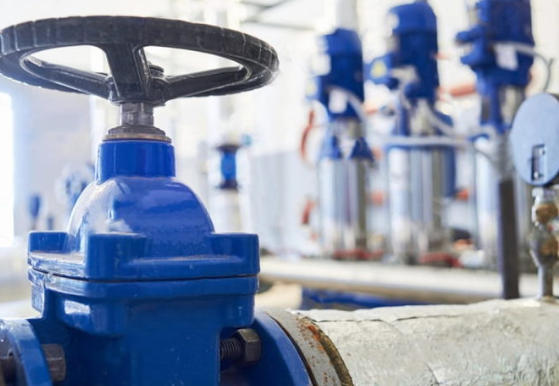
Regular visual inspection and keeping components clean—especially cleaning the Y-strainer and orifice—are called out as key practices to prevent clogging and performance problems.
A baseline schedule includes monthly visual inspection plus cleaning the Y-strainer and orifice.
Common causes include an air-bound main valve, leaking indicator stuffing box, ruptured PRP diaphragm, or a fouled orifice.
Possible causes include incorrect PRP adjustment, open needle valve, closed isolation valve, or a fouled PRP valve.
Chatter/hunting can indicate an oversized valve or debris in the flow control valve; adjusting the flow control valve and inspecting for debris are recommended steps.


