

Views: 222 Author: Rebecca Publish Time: 2026-02-12 Origin: Site


Content Menu
● What Are Constant Pressure Pump Control Valves?
● What Do Constant Pressure Pump Control Valves Do?
● How Constant Pressure Pump Control Valves Work
>> Example of Pump and Tank Operation
● Bypass and Notched Seat Designs
● Internal Cartridge Design and Performance
● Typical Applications Beyond Well Water
● Practical Advantages for System Owners
● Why Choose Cycle Gard® Constant Pressure Pump Control Valves
● Take the Next Step With Cycle Gard® Constant Pressure Solutions
● Frequently Asked Questions (FAQ)
>> 1. Do Cycle Gard® constant pressure pump control valves require electricity?
>> 2. Can a Cycle Gard® valve help reduce the size of the pressure tank?
>> 3. How does a notched seat design support longer pump life?
>> 4. Where can constant pressure pump control valves be used besides residential wells?
>> 5. What warranty coverage is available for Cycle Gard® valves?
Adequate and dependable water pressure is one of the most important features of a modern household or light commercial water system. Whether users are washing dishes, running a sprinkler system, or taking a shower, consistent water pressure directly affects comfort, efficiency, and equipment life. For many homes and facilities supplied by private wells, rural water systems, or fluctuating municipal lines, constant pressure pump control valves such as the Cycle Gard® series provide a practical way to stabilize pressure and protect pumps.

Constant pressure pump control valves are an extension of pump control valve technology designed to keep water pressure nearly constant while demand varies throughout the system. These valves are specifically engineered to regulate flow, limit rapid pump cycling, and reduce long‑term hydraulic shock in pipelines.
In typical installations, constant pressure pump control valves are found in:
- Groundwater and well water systems
- Booster pump systems
- Irrigation and sprinkler systems
- Municipal and residential distribution lines
By maintaining a steady downstream pressure, they help ensure that fixtures and equipment receive consistent flow even as multiple users draw water at the same time.
Constant pressure pump control valves are best known for keeping water flowing at a stable pressure in a well system that uses a pump and bladder tank together. Beyond maintaining constant pressure, they offer several operational and economic advantages.
Key functions and benefits include:
- Assisting with rapid pump cycling while maintaining pre‑set operating pressures
- Water hammer prevention and virtually maintenance‑free operation
- Clog‑resistant design that supports longer pump life
- Electricity and energy cost savings over the life of the system
- Extended and more stable pressure performance for older or existing pumps
- Simple mechanical design and construction
- Easier maintenance than many typical VFD‑based control systems
These characteristics make constant pressure pump control valves an attractive solution for both new installations and retrofit projects.
In a traditional water‑well system, the pressure tank size must be matched carefully to the pump capacity. For example, a 10 GPM pump typically requires a tank with a 10 GPM drawdown and at least a one‑minute runtime to keep the pump cooled. With a constant pressure pump control valve such as the Cycle Gard® model, the pump and tank no longer need to be matched in this way.
If a pump produces 10 GPM, a Cycle Gard® valve can slow the delivery rate to around 1 GPM when the valve closes. This allows the pump to continue running efficiently and cool down correctly, while the tank fills at a controlled rate. As a result, the pump experiences fewer start‑stop cycles, and the system gains more flexibility in tank sizing.
Cycle Gard® valves are hydraulically operated, meaning they do not require external electrical power for the valve to function. They are generally installed in front of the pressure tank and are set to a single automatic pressure setting instead of a wide pressure range.
A typical operating sequence works as follows:
- The valve is set at a target pressure, for example 50 PSI, in a system using a 40/60 pressure switch.
- When the pressure in the tank falls to 40 PSI, the pump turns on to bring system pressure up toward 50 PSI.
- As pressure reaches 50 PSI, the valve begins to close from 50 PSI up to 60 PSI.
- During this closing phase, a small amount of water continues to run through the valve, allowing the tank to fill at a reduced rate while maintaining pump cooling.
This behavior keeps system pressure in a tight band and helps avoid the wide swings associated with more conventional on–off control setups.
The controlled flow through a Cycle Gard® valve during closure is achieved in one of two ways, depending on the model. Both approaches allow water to pass through even when the valve is fully closed, but they differ in how that bypass flow is defined.
1. Externally Adjustable Bypass
- Uses an external adjustment to set the amount of bypass flow.
- Allows installers to fine‑tune the system for a specific pump, tank, and demand profile.
2. Slotted Seat Disc (Notched Seat or Leaky Seat)
- Uses a slotted or notched seat disc inside the valve.
- Delivers a fixed bypass flow, commonly about 1 GPM, through the closed valve.
Both styles keep water moving through the system for cooling and gradual tank filling, while still maintaining the controlled pressure that characterizes constant pressure pump control valves.
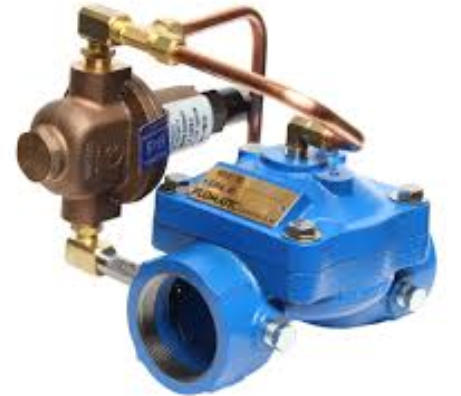
Constant pressure pump control valves like the Cycle Gard® model operate using an internal cartridge that moves vertically based on downstream pressure. When pressure falls below the setpoint, the cartridge opens the flow path; when pressure reaches the desired PSI, it closes.
At the bottom of the cartridge is a stainless‑steel plate with a small notch cut into it. Through this opening, approximately 1 GPM of water will continue to flow even when the valve is seated and closed. This design supports:
- Durable and consistent performance in water well systems
- Efficient pump cooling during extended operation
- Smooth transitions that reduce hydraulic shock and pressure surges
The advantages of a notched seat design come from its simplicity and long use in the industry. Cycle Gard® valves that feature a slotted seat allow a fixed volume of water to pass through, helping save energy and operating cost over time.
Although constant pressure pump control valves are often associated with well water systems, their use extends far beyond that segment. The same performance advantages apply in many other types of water networks where stable pressure and pump protection are important.
Common applications include:
- Residential areas and domestic well water systems
- Municipal systems and public water supplies
- Apartments, subdivisions, and small communities
- Schools, farms, and parks
- Pump booster systems and irrigation/sprinkler systems
With several models available, and backed by a three‑year warranty, Cycle Gard® constant pressure pump control valves can be specified for many different system configurations and operating conditions.
For homeowners, facility managers, and system operators, the practical advantages of installing a constant pressure pump control valve are clear in everyday use. They help create a more stable, efficient, and durable water supply system.
Notable practical benefits include:
- More consistent pressure at taps, showers, and irrigation lines
- Reduced pump cycling and quieter system operation
- Better protection for pumps and piping components over the long term
- Potential for smaller pressure tanks and reduced space requirements
- Lower overall ownership cost through extended pump life and lower maintenance needs
These features make constant pressure pump control valves a strong choice for both upgrading existing installations and designing new systems with reliability in mind.
Flomatic has been a pioneer in the pump control regulator industry for nearly five decades, with a long track record of designing and manufacturing robust valve solutions. Cycle Gard® constant pressure pump control valves reflect this experience in their internal design, materials selection, and proven field performance.
Key reasons many professionals specify Cycle Gard® valves include:
- Established notched‑seat and cartridge technologies that have been widely adopted in the industry
- Effective elimination of frequent pump cycling, helping extend the life of water pumps
- Ability to use smaller pressure tanks and reduce space requirements while keeping systems reliable
- Availability of multiple models suitable for different flow rates, pressures, and applications
- Three‑year warranty coverage supporting long‑term peace of mind for owners and operators
For distributors, contractors, and designers involved in water system projects, these attributes help reduce risk and support consistent performance over time.
If you are planning a new water system or upgrading an existing well, booster, or irrigation installation, specifying a Cycle Gard® constant pressure pump control valve is a straightforward way to improve reliability, comfort, and pump life. Contact Flomatic or your local authorized distributor today to discuss the right Cycle Gard® model for your application, review detailed technical data, and get support with selection and installation.
Contact us to get more information!
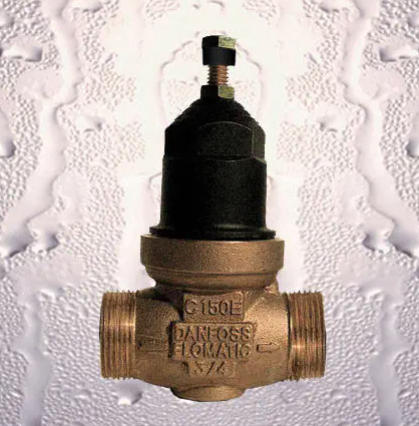
Cycle Gard® valves are hydraulically operated and do not require an external electrical power source for the valve itself to function. They work with the existing pump and pressure control setup to manage flow and pressure automatically.
Yes, in many systems a Cycle Gard® constant pressure pump control valve allows the use of a smaller pressure tank while still maintaining safe pump runtime and cooling. By controlling flow and limiting rapid pump cycling, it reduces the need for a large drawdown volume.
The notched seat design built into the valve allows a fixed, small amount of water to pass through even when the valve is closed. This continuous flow helps keep the pump cooled and avoids frequent start‑stop cycles that can shorten pump life.
Constant pressure pump control valves can be applied in municipal systems, apartments, subdivisions, schools, farms, parks, booster pump systems, and irrigation networks. Any application that benefits from stable water pressure and pump protection can take advantage of this technology.
Flomatic's Cycle Gard® constant pressure pump control valves are backed by a three‑year warranty. This warranty reflects the robust design and long‑term performance expectations for the product line in real‑world service.


