

Views: 222 Author: Rebecca Publish Time: 2026-02-08 Origin: Site


Content Menu
● What Is Roping in Wastewater Systems?
● Why Check Valve Selection Matters More Than Ever
● How Ball Check Valves Work in Wastewater Applications
● Ball Check Valve vs Swing Check Valve in Wastewater
● Key Benefits of Ball Check Valves in Wastewater Pumping Stations
>> 1. Reduced Roping and Clogging
>> 2. Lower Maintenance and Lifecycle Cost
>> 3. Improved System Reliability and Uptime
● Practical Selection Criteria for Wastewater Ball Check Valves
>> 1. Match Valve Size to Pump and Pipeline
>> 2. Choose Suitable Body and Ball Materials
>> 3. Consider Installation Orientation and Access
>> 4. Verify Pressure, Flow, and Surge Conditions
● Step‑by‑Step Checklist for Retrofitting Swing Check Valves
● Real‑World Performance: Ball Check Valves in Modern Trash Conditions
● When Ball Check Valves Are the Best Choice
● Work With a Specialist Valve Manufacturer
● Call to Action: Upgrade Your Wastewater Check Valves Now
● Frequently Asked Questions (FAQ)
>> 1. What makes a ball check valve “anti‑roping”?
>> 2. Can ball check valves be used in vertical installations?
>> 3. Do ball check valves eliminate maintenance completely?
>> 4. How do ball check valves affect energy consumption?
>> 5. Are ball check valves suitable for abrasive slurries?
Selecting the right ball check valve for modern wastewater systems is critical to reducing maintenance, avoiding roping, and protecting pumps from failure. This guide explains how ball check valves work, why they outperform swing check valves in today's “modern trash” environment, and how engineering teams and operators can specify them effectively.

In wastewater pumping stations, roping describes long, rope‑like bundles of non‑degradable materials, such as wipes, rags, and cleaning towels, that twist together and snag inside the pipeline and valves. These bundles wrap around internal components, block flow, and eventually force emergency shutdowns and manual cleaning.
Typical causes of roping include:
- Increased use of wipes and cleaning towels made from fabrics and plastic resins.
- Non‑flushable products marketed as “flushable” but not disintegrating in the system.
- System designs that include sharp edges, hinge pins, or disc arms that catch debris.
The operational impact is significant: maintenance time, energy consumption, and unplanned downtime all rise sharply when roping becomes frequent.
Check valves are essential for preventing backflow, reducing water hammer, and protecting pumps and downstream equipment. However, in today's wastewater environment, they must also reliably pass solids and non‑degradable trash without recurring blockage.
In many aging designs:
- Swing check valves create internal snag points, such as the disc, hinge, and seat edge, that catch wipes and fabrics.
- Once debris accumulates, the disc may not close fully, allowing reverse flow, surge, and water hammer.
- Operators face repeated shutdowns to clear blockages and repair damaged components.
Modern ball check valves directly address these issues by eliminating common snag geometries and simplifying internal flow paths.
A ball check valve uses a single moving part – a vulcanized metal ball – that rolls in and out of a seat to control flow direction. This simple design offers a smooth interior profile and continuous self‑cleaning behavior during normal operation.
- During forward flow, the ball is pushed off its seat into a separate chamber, opening the passage and allowing fluid and solids to pass through.
- When flow stops or reverses, gravity and differential pressure roll the ball back into the seat, creating a tight seal against backflow.
- The vulcanized ball is buoyant, reducing friction, enhancing responsiveness, and limiting wear during repeated cycling.
As the valve operates, the ball constantly spins and reseats on slightly different surfaces, which keeps the seat clean and distributes wear. This self‑cleaning and self‑polishing effect is critical in dirty wastewater environments where fixed sealing surfaces would otherwise be damaged or fouled.
The table below summarizes key differences relevant to wastewater pumping stations.
| Aspect | Ball check valve | Swing check valve |
|---|---|---|
| Internal geometry | Smooth bore, no sharp edges or hinge arms, single ball element. | Hinged disc, pins, and arms create multiple snag points. |
| Roping tendency | Anti‑roping design; minimal snagging of wipes and trash. | High roping risk where modern wipes are present. |
| Debris handling | Self‑cleaning ball and seat; solids and fibers pass through smoothly. | Debris easily accumulates around disc and hinge, restricting motion. |
| Moving parts | Only one moving part – the ball; lower mechanical complexity. | Multiple moving components, including disc, hinge, pins, and fasteners. |
| Maintenance demand | Reduced maintenance and longer service life. | Frequent inspection and cleaning required in dirty service. |
| Noise and surge | Soft, rolling closure that can contribute to lower water hammer. | Disc snap‑closing can exacerbate surge and water hammer events. |
| Typical use | Wastewater lift stations, sewage pits, trash‑laden pumps. | Cleaner water or large diameter mains where solids load is lower. |
In modern municipal and industrial wastewater systems, ball check valves have proven to significantly reduce clogging and service disruptions compared to traditional swing designs.
When properly specified and installed, ball check valves provide multiple performance and cost advantages for operators.
The smooth interior profile and absence of hinge arms or sharp internal corners minimize the chance for wipes and fabrics to hook onto valve internals. As the ball rotates under flow, it continuously sheds attached debris, effectively acting as a self‑cleaning element.
Because there is only one moving part and the design resists debris buildup, inspection intervals can be extended and emergency call‑outs significantly reduced. Over the life of a pump station, lower labor requirements, reduced spare parts consumption, and fewer outages translate into a lower total cost of ownership.
Consistent seating and reliable closure improve protection against backflow and surges, even in dirty, high‑solid conditions. Reliable non‑return performance supports stable pump operation, reduces nuisance alarms, and helps operators maintain required discharge capacity during peak load events.
Ball check valves typically have short face‑to‑face dimensions and rugged bodies suitable for buried or confined station layouts. Their compact design simplifies installation in retrofit projects where space is limited.
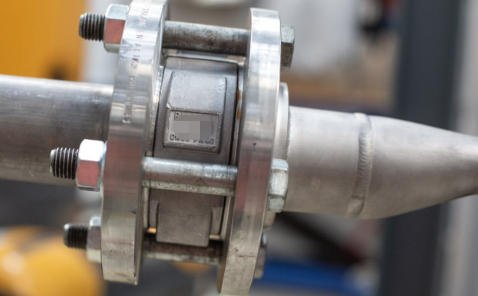
To realize the full benefit of ball check valves in wastewater pumping stations, engineers and operators should pay close attention to sizing, materials, and installation conditions.
- Select a nominal diameter that matches the pipeline while checking manufacturer curves to keep pressure drop within acceptable limits.
- For high solids content, avoid undersizing that could accelerate velocity and increase wear.
- For typical municipal wastewater, ductile iron bodies with appropriate corrosion‑resistant coatings are widely used.
- The vulcanized metal ball should be compatible with the media temperature, chemical exposure, and anticipated abrasion.
- Ball check valves can often be installed in horizontal or vertical positions, but orientation should follow manufacturer guidelines for reliable seating and opening.
- Always provide sufficient clearance and access for inspection, lifting, or replacement during maintenance windows.
- Confirm working pressure and transient loads are within the valve's rated limits.
- In systems with strong transients, coordinate check valve characteristics with surge control devices and pump start or stop sequences.
When upgrading an existing station from swing check valves to ball check valves, a structured process simplifies execution and improves results.
1. Survey the station
Document current pump curves, pipe diameters, valve types, maintenance history, and frequency of roping‑related shutdowns.
2. Define performance goals
Set clear key performance indicators such as target reduction in call‑outs, maximum acceptable differential pressure, and desired inspection intervals.
3. Select ball check valve models
Work with manufacturers to choose models optimized for wastewater, with proven anti‑roping performance and compatible face‑to‑face dimensions.
4. Plan installation and downtime
Schedule change‑out during low flow periods, prepare lifting points, and verify that flanges, gaskets, and bolts meet the new valve's requirements.
5. Commission and monitor
After installation, log pump performance, energy use, and maintenance events over the first 6–12 months to quantify improvement.
6. Adjust maintenance strategy
Once clogging is reduced, adjust preventive maintenance tasks and intervals to reflect the lower‑maintenance design.
Field experience from wastewater treatment plants shows that a large percentage of maintenance interventions are directly linked to debris accumulation and roping in pumps and check valves. By replacing snag‑prone swing check valves with ball check valves, operators have reported:
- Significant reduction in emergency call‑outs due to blocked check valves.
- Shorter planned maintenance windows and safer working conditions.
- Improved pump energy efficiency and reduced run‑time at alarm conditions.
These real‑world results confirm an important engineering principle: eliminating internal snag points and enabling self‑cleaning movement is one of the most effective ways to mitigate roping in today's wastewater systems.
You should prioritize ball check valves when:
- Pumping municipal or industrial wastewater with a high load of wipes, rags, and non‑degradable solids.
- Experiencing recurring roping, clogging, or partial closure issues with existing swing check valves.
- Operating wastewater lift stations, sewage pits, or sludge handling systems prone to trash accumulation.
- Looking to reduce lifecycle costs by minimizing unscheduled maintenance and extending valve service life.
For relatively clean water or very large diameter transmission mains, other check valve types may still be suitable, but in modern trash environments ball check valves typically provide one of the most robust non‑return solutions.
Partnering with an experienced valve manufacturer focused on water and wastewater applications ensures that your ball check valve selection, materials, and configuration match real‑world operating conditions. A specialist can support:
- Application review and model selection.
- Optimization for energy efficiency and surge behavior.
- Documentation for project submittals and regulatory requirements.
For EPC contractors, system integrators, and distributors, this collaboration simplifies specification work and improves long‑term reliability for end users.
If your wastewater pumping stations are struggling with roping, frequent clogging, and high maintenance costs, this is the right time to evaluate a switch to ball check valves. Contact our engineering team to review your current installations, identify critical trouble points, and select ball check valve solutions tailored to your wastewater conditions. By planning a phased retrofit today, you can reduce downtime, extend equipment life, and secure more reliable operation for every pumping station in your network.
Contact us to get more information!
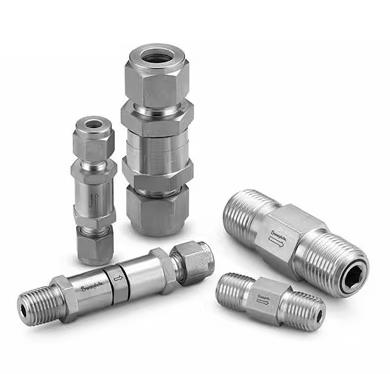
Ball check valves use a smooth internal bore and a single rotating ball with no hinge arms or sharp edges, so wipes and fabrics have nowhere to hook and accumulate. This design greatly reduces the formation of roping bundles and associated blockages in wastewater systems.
Many ball check valves are suitable for both vertical and horizontal installations, provided the orientation follows the manufacturer's recommendations. Correct installation ensures that the ball moves freely, seats properly, and provides reliable non‑return performance.
No valve is completely maintenance‑free, but ball check valves significantly reduce clogging, roping, and wear compared with many traditional designs. As a result, operators can extend maintenance intervals and reduce the number of unplanned interventions.
Because of their streamlined design and low internal obstruction, ball check valves can help minimize pressure loss and pumping energy compared to more restrictive or partially fouled check valves. Over time, lower friction losses can contribute to measurable reductions in energy costs for wastewater pumping stations.
In many cases, ball check valves can be used with abrasive slurries if the ball and seat materials are selected for abrasion resistance. Correct sizing and material selection are essential to maintaining sealing performance and achieving an acceptable service life in these demanding applications.
1. https://www.flomatic.com/news/ball-check-valve-can-reduce-maintenance-and-roping-in-wastewater-pumping-stations/
2. https://www.flomatic.com/ball-check-valves-solution-to-modern-trash/
3. https://www.flomatic.com/ball-check-valves/
4. https://www.flomatic.com/ball-check-valves-video/
5. https://blog.craneengineering.net/pros-and-cons-of-3-check-valves-types


