

Views: 253 Author: Wode Valve Publish Time: 2026-07-05 Origin: Site


Content Menu
● Why Valve Standards Matter in Real Projects
● The Core Valve Standards Buyers Should Know
>> 1. Flange and connection standards
>> 2. Pressure and rating standards
>> 5. Material and coating standards
● Key Specifications to Review Before You Buy
>> Nominal size and connection type
>> Working pressure and temperature
>> Sealing and leakage requirements
>> Check valves
>> Gate valves
>> Ball valves
>> Strainers
● Information Gaps That Often Cause Project Problems
● A Practical Specification Checklist
● What Global Buyers Expect From a Reliable Valve Supplier
● Why This Matters for Water Treatment and Municipal Pipelines
● Expert View: How to Improve Selection Outcomes
● FAQ
>> 1. What are valve standards?
>> 2. Why are valve specifications important?
>> 3. What is the difference between PN and Class?
>> 4. Which valve type is best for water treatment?
>> 5. What documents should a valve supplier provide?
Selecting the right valve is never just about size or price. For water treatment and municipal pipeline projects, valve standards and specifications determine whether a system runs safely, passes inspection, and performs reliably over years of service.
In this guide, we break down the most important valve standards, the specifications buyers should check before ordering, and the practical details that matter most for distributors, EPC contractors, and international valve brands.
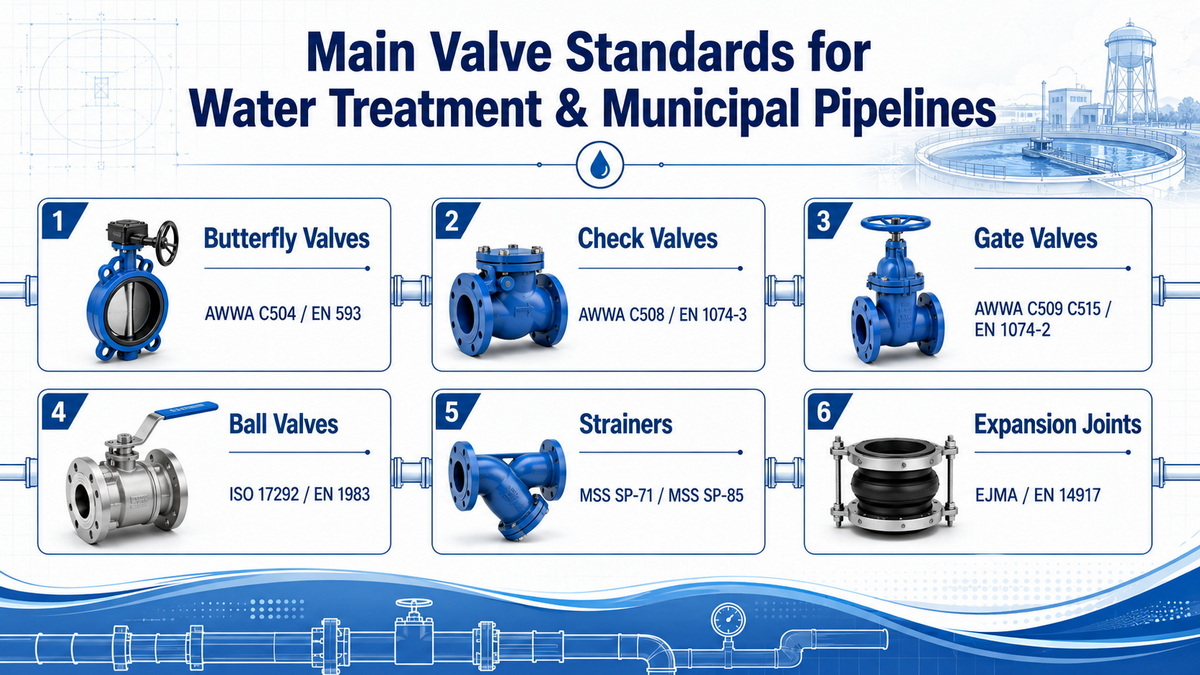
Valve standards exist to create consistency. They help engineers, buyers, and inspectors compare products on equal terms, even when valves come from different suppliers or countries.
In municipal and water treatment applications, standards influence:
- Interchangeability, so valves fit existing pipelines and flanges.
- Safety, so pressure and temperature limits are clearly defined.
- Performance, so sealing, operation, and flow behavior meet project needs.
- Compliance, so products can pass project documentation and inspection.
From our experience in valve manufacturing, many project delays come from one simple problem: the valve is "technically suitable," but the specification package is incomplete. Missing test certificates, unclear coating requirements, or mismatched flange standards can all create costly rework.
Different markets use different standards, but several appear repeatedly in global water and municipal projects.
Flange dimensions define how a valve connects to the pipeline. Common systems include:
- ASME / ANSI
- EN / DIN
- ISO
- BS
When buyers mix standards without checking compatibility, installation problems often follow. A valve may be the right nominal size, yet still fail to align correctly with the pipeline flange drilling pattern.
Pressure rating tells you how much pressure a valve can safely handle under specified conditions. In practice, buyers should check:
- PN rating in metric systems.
- Class rating in imperial systems.
- Operating pressure.
- Maximum allowable working pressure.
- Test pressure.
For municipal water systems, pressure rating is one of the first filters in valve selection. It affects wall thickness, body design, sealing structure, and even actuation choices.
Face-to-face dimensions determine the installation length of the valve. This matters because replacement projects often need direct fitment into an existing line.
Common standards include:
- EN 558
- ASME B16.10
If the face-to-face dimension is wrong, installation can become impossible without piping modification.
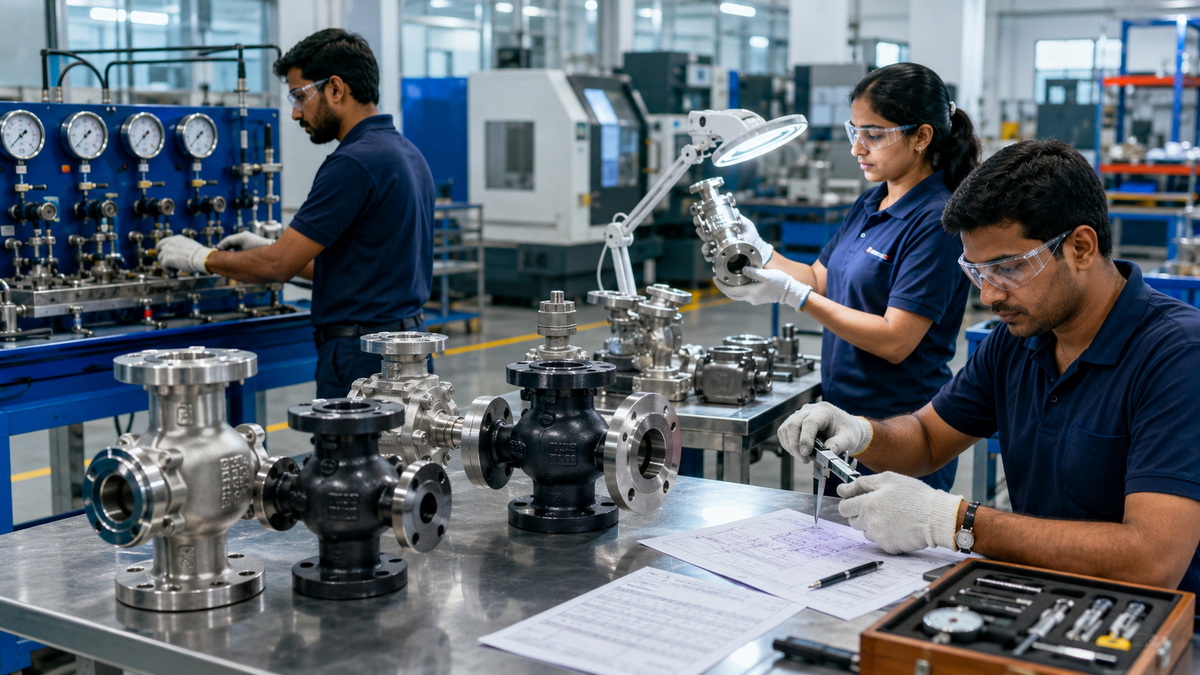
Testing confirms that a valve performs as expected before shipment. Buyers should look for:
- Shell strength test.
- Seat leakage test.
- Operational test.
- Pneumatic or hydrostatic test, depending on project requirements.
A product without clear test documentation is difficult to approve in serious EPC or utility projects.
Material selection affects corrosion resistance, longevity, and maintenance frequency. In water treatment and municipal applications, common material checks include:
- Body material.
- Disc, gate, ball, or wedge material.
- Stem material.
- Seat material.
- Internal coating or epoxy lining.
- External coating thickness.
This is especially important in aggressive water environments, buried installations, and long service cycles.
A valve specification sheet should tell you more than just "what it is." It should explain whether the product is truly suitable for the project.
Check the nominal diameter carefully. Then confirm:
- Flanged, wafer, lug, threaded, or welded connection.
- End standard.
- Face-to-face length.
- Installation direction, if relevant.
The valve must match both pressure and temperature conditions. Even in water applications, temperature fluctuations, transient pressure surges, and pump start-stop cycles can affect performance.
Water treatment systems may involve:
- Raw water.
- Treated water.
- Reclaimed water.
- Slurry or partially solids-laden media.
- Chemicals used in treatment processes.
The valve material, lining, and seal design should match the media, not just the pipeline size.
A valve is only as good as its seal. Buyers should review:
- Soft seal or metal seal.
- Tightness class.
- Leakage allowance.
- Bidirectional or unidirectional sealing.
For critical applications, leakage performance should be specified in writing before production begins.
Choose the right operating style based on system size and use frequency:
- Manual handwheel.
- Lever.
- Gearbox.
- Electric actuator.
- Pneumatic actuator.
- Hydraulic actuator.
The wrong operator can increase torque requirements, maintenance load, or cycle time.
Different valve types have different design priorities. A good specification must reflect those differences.
Butterfly valves are widely used in water treatment because they are compact, economical, and efficient for large diameters.
Buyers should focus on:
- Disc and seat material.
- Seal type.
- Centered or double-offset design.
- Actuation torque.
- Bidirectional sealing.
- Coating quality for corrosive or buried service.
Check valves prevent backflow and protect pumps, meters, and pipelines.
Important factors include:
- Closing response.
- Pressure loss.
- Spring-assisted or non-slam design.
- Disc travel.
- Installation orientation.
In pump stations, a poorly selected check valve can create water hammer, noise, or repeated mechanical shock.
Gate valves are suitable where full open or full closed operation is needed.
Review:
- Rising or non-rising stem.
- Wedge design.
- Seat material.
- Handwheel or gearbox requirement.
- Buried service suitability.
Gate valves are often chosen for isolation, not throttling. Using them incorrectly can shorten service life.
Ball valves offer fast shutoff and reliable sealing, especially in smaller sizes or control-related services.
Check:
- Ball finish.
- Seat material.
- Full bore or reduced bore.
- Blow-out proof stem.
- Actuation option.
Strainers protect downstream equipment from debris.
Key considerations:
- Mesh size.
- Pressure drop.
- Basket or Y-type design.
- Cleaning access.
- Material and corrosion resistance.
Expansion joints absorb movement, vibration, and thermal expansion.
Review:
- Axial, lateral, or angular movement capability.
- Rubber or metal construction.
- Pressure class.
- End connection.
- Compatibility with pipeline movement.
Many articles explain standards in a general way, but stop short of the details that procurement teams actually need. The biggest gaps usually are:
- No distinction between standard compliance and project specification compliance.
- No explanation of how coating, lining, and testing affect service life.
- No practical guidance on selecting valves for water and municipal use.
- No advice on documentation such as MTCs, inspection reports, and test records.
- No supplier-side insight into how to reduce approval risk.
That is why a useful valve article must do more than define terms. It should help buyers avoid errors before the purchase order is issued.
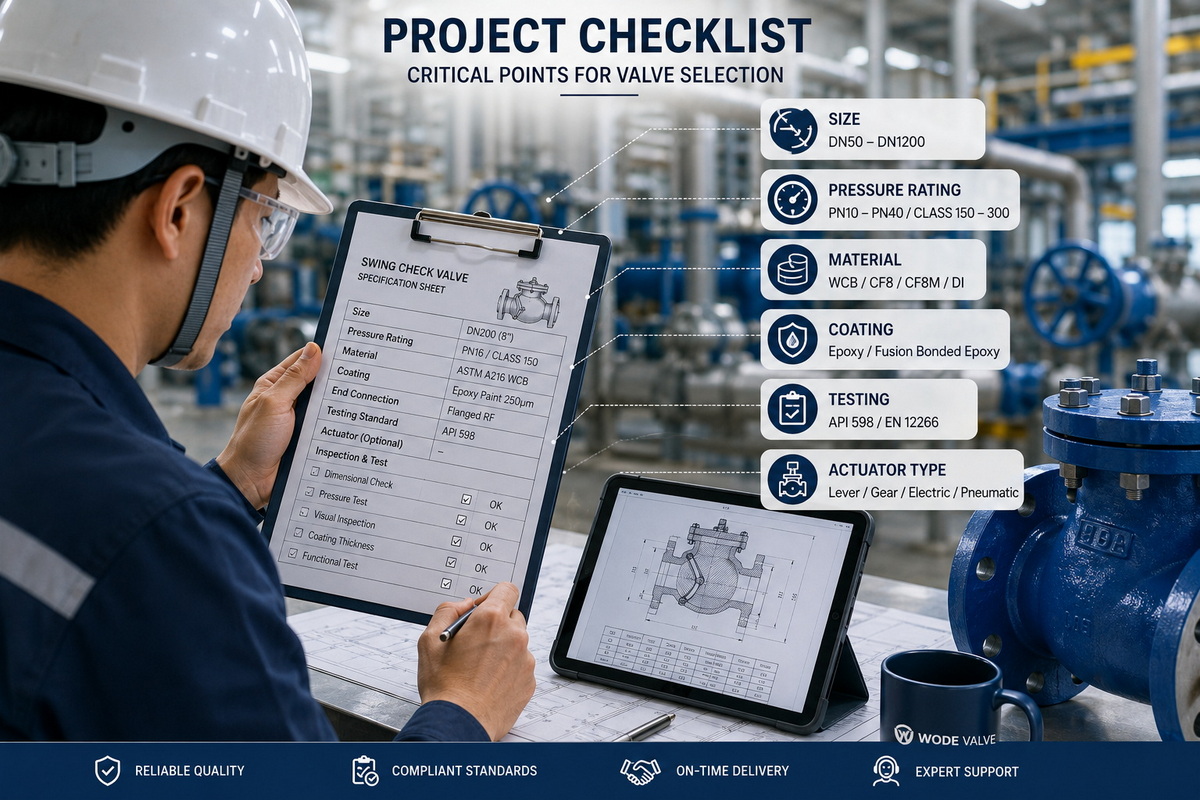
Before approving a valve for production or shipment, confirm the following:
1. Valve type is suitable for the duty.
2. Standard matches the project requirement.
3. Pressure rating covers operating conditions and surge allowance.
4. Face-to-face dimension fits the pipeline.
5. Material specification matches the medium and environment.
6. Coating or lining is defined clearly.
7. Testing standard is listed and documented.
8. Actuation method matches torque and operating frequency.
9. Documentation package is complete.
10. Spare parts and after-sales support are available.
This checklist reduces the risk of procurement mistakes and helps speed up EPC approval.
For international projects, technical compliance is only one part of the job. Buyers also expect consistent communication, documentation, and traceability.
A strong supplier should provide:
- Dimensional drawings.
- Material certificates.
- Pressure test reports.
- Coating specifications.
- Packing lists and labeling details.
- Installation and maintenance guidance.
In our view, the best suppliers do not simply sell valves. They reduce project risk.
Water treatment and municipal systems are sensitive infrastructure. A valve failure can affect service continuity, pump performance, water quality, and maintenance budgets.
That is why valve standards matter so much in this sector. They support:
- Reliability in continuous-service environments.
- Traceability for project audits.
- Lifecycle value through better corrosion resistance and sealing.
- Safer operations for utilities and contractors.
For distributors and EPC firms, these advantages also translate into fewer claims, smoother installation, and stronger customer trust.
From a practical manufacturing perspective, the smartest buyers ask three questions early:
- Does the valve meet the project standard?
- Does the valve match the actual operating environment?
- Is the documentation strong enough for approval?
If the answer to any of these is unclear, the project is already at risk.
In many cases, the lowest-priced option becomes the most expensive one once testing, rework, delays, and replacement costs are included. That is why specification discipline matters more than initial quotation alone.
Valve standards and specifications are not just technical details. They are the foundation of project fit, compliance, safety, and long-term performance.
For water treatment and municipal pipeline applications, the best results come from combining the right product design, the right standard, and the right documentation. That is how buyers reduce risk and build reliable systems.
Need help selecting the right valve for your project? Contact Tianjin Wode Valve Co., Ltd. for technical support, OEM solutions, and project-specific valve recommendations.
Valve standards are technical rules that define dimensions, pressure ratings, testing methods, materials, and performance requirements for valves.
Specifications ensure the valve matches the pipeline, media, pressure, and project approval requirements.
PN is a pressure rating system commonly used in metric/European specifications, while Class is used more often in ASME-based systems.
Butterfly valves are often preferred for large-diameter water service, while gate valves, check valves, and ball valves are used based on function and system design.
A reliable supplier should provide drawings, test reports, material certificates, coating details, and packing documents.
1. [ASME B16.10 Face-to-Face and End-to-End Dimensions of Valves]
2. [EN 558 Industrial valves — Face-to-face and centre-to-face dimensions]
3. [ISO valve standards overview]
4. [AWWA valve standards for waterworks applications]
5. [Valve manufacturing and quality testing guidance from a technical industry source]
6. [Industrial SEO and manufacturing content strategy guidance]


