

Views: 222 Author: Rebecca Publish Time: 2026-02-09 Origin: Site


Content Menu
● What Are Buna, EPDM, and Viton in Valve Products?
● Understanding High Elasticity in Valve Seals
● Key Questions Before Selecting a Valve Seal Material
● Buna (Nitrile, NBR) in Valve Products
>> Main Characteristics of Buna
>> Typical Buna Applications in Valves
● EPDM in Water and Wastewater Valve Applications
>> Main Characteristics of EPDM
>> Typical EPDM Applications in Valves
● Viton (FKM) for High-Performance Valve Sealing
>> Main Characteristics of Viton
>> Typical Viton Applications in Valves
● Comparative Overview: Buna vs EPDM vs Viton
● Practical Selection Framework for Water and Municipal Pipelines
● Common Failure Modes When Seal Material Is Misapplied
● Best Practices for Working with Valve Manufacturers
● Call to Action: Get Application-Specific Valve Seal Recommendations
● FAQs About Buna, EPDM, and Viton in Valve Selection
>> 1. Which is the best seal material for potable water valves?
>> 2. When should I choose Buna instead of EPDM in a valve?
>> 3. Is Viton always the best choice because it is more expensive?
>> 4. Can I standardize on one seal material across all my valves?
>> 5. How do I verify chemical compatibility for a seal material?
As a leading professional valve manufacturer in China, Tianjin Wode Valve Co., Ltd. helps global distributors, EPC contractors, and OEM brands select between Buna, EPDM, and Viton seals to optimize valve performance, service life, and total lifecycle cost in modern water and municipal pipeline applications. This guide explains how these elastomer materials differ and provides practical selection steps for potable water, wastewater, and industrial fluid systems.

In valve products, Buna, EPDM, and Viton are elastomer seal materials used for O-rings, seats, gaskets, and other sealing elements that keep media contained and prevent external leakage. These seals directly influence valve reliability, maintenance intervals, and compatibility with specific fluids and temperatures.
- Buna (Nitrile, NBR): Economical oil-resistant rubber with good mechanical strength, widely used in general industrial valves handling oils, fuels, and certain chemicals.
- EPDM: Synthetic rubber with excellent resistance to water, steam, weathering, and many alkaline chemicals, ideal for municipal water and wastewater.
- Viton (FKM): Premium fluoroelastomer with superior chemical and high-temperature resistance, preferred for harsh chemical, oil, and high-heat applications.
Because these materials often look similar, material selection should never rely on appearance alone; it must be based on operating conditions and chemical compatibility.
High elasticity describes the ability of a material to deform under stress and then return to its original shape when the stress is removed. Elastomer-based rubber compounds are specifically formulated to provide this behavior, combining a base elastomer with vulcanization agents, fillers, and plasticizers to achieve required mechanical properties.
In valves, high elasticity helps a seal:
- Conform to surface irregularities in the seat and disc.
- Maintain tight shutoff under fluctuating pressure and temperature.
- Recover after repeated open–close cycles without permanent deformation (compression set).
For water and wastewater valves, this elastic recovery is critical to preventing leakage after thermal cycling, pressure surges, or minor misalignment in the pipeline.
Before choosing Buna, EPDM, or Viton, engineers should clarify the application conditions instead of starting from material preference. Consider questions such as:
- Fluid type: Water, wastewater, drinking water, oil, fuel, gas, disinfectants, CIP chemicals, or aggressive process media.
- Temperature range: Minimum and maximum continuous temperatures, plus potential short-term excursions.
- Pressure and cycling: Maximum differential pressure, number of open–close cycles, and potential pressure surges.
- Environment: Sunlight exposure, ozone, outdoor installation, buried service, or indoor plant areas.
- Regulatory and hygiene requirements: Potable water approvals, sanitary standards, or industry-specific certifications for the seal material.
Defining these parameters enables a more accurate match between seal material and application, reducing the risk of premature failure, cracking, swelling, or loss of elasticity.
Buna, also known as Nitrile, is a synthetic rubber copolymer valued for abrasion resistance, oil resistance, and mechanical strength at a competitive cost. It offers a broad operational temperature range suitable for many general-purpose industrial applications, though it is less tolerant of extreme temperatures than premium elastomers.
Key advantages of Buna include:
- Economical and suitable for cost-sensitive projects.
- Good oil and water resistance in many non-oxidizing environments.
- High abrasion resistance and strong elongation properties.
- Low compression set, supporting long-term sealing under stable conditions.
- Good performance in many hydraulic fluids and mechanical applications.
Disadvantages of Buna include:
- Limited performance at extreme high or very low temperatures.
- Poor resistance to ozone and long-term direct sunlight exposure.
- Not suitable for strong oxidizing agents, brake fluids, ketones, or certain aggressive chemicals.
- Limited compatibility with some CIP sanitizing agents and steam.
In the valve industry, Buna is often selected where oil-based fluids or certain chemicals are present, and temperatures are moderate. Common uses include:
- O-rings and seals in oil, fuel, and some hydraulic services.
- Molded seat elements for industrial valves in non-oxidizing media.
- General-duty sealing where budget and mechanical strength are more critical than broad chemical resistance.
For strictly water-based municipal systems, Buna can still be used, but it may not offer the long-term weathering performance of EPDM, especially for outdoor or ozone-exposed installations.
EPDM (Ethylene Propylene Diene Monomer) is widely used in municipal and industrial water systems because of its flexibility, weather resistance, and ability to withstand harsh environmental conditions. It maintains elastic properties over a wide temperature range and handles many alkaline and oxidizing chemicals used in water treatment.
Key advantages of EPDM include:
- Wide operational temperature range suitable for cold and hot water service.
- Excellent resistance to weathering, ozone, and UV exposure in outdoor installations.
- Good resistance to steam, deionized water, and many alkaline cleaning agents.
- High tolerance to sodium hydroxide solutions, diluted acids, and some ketones.
- Reliable compression set performance and long-term tensile strength.
Disadvantages of EPDM include:
- Poor resistance to petroleum-based oils, fuels, and many hydrocarbon solvents.
- Difficult adhesion in some bonding applications, requiring proper surface treatment.
- Not compatible with a wide range of non-polar oils and greases.
EPDM is frequently the default choice for valves in potable water, wastewater, and HVAC systems because of its proven performance in aqueous media. Typical applications include:
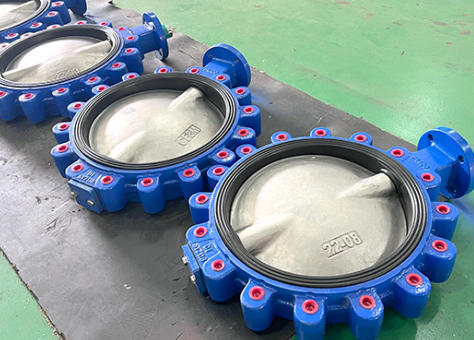
- Resilient seats and liners in butterfly valves for water distribution networks.
- Seals, O-rings, and washers in pumping stations, water treatment facilities, and HVAC systems.
- Outdoor valves exposed to sunlight and weather where ozone resistance is essential.
For most municipal water and wastewater applications, EPDM offers an excellent balance between cost, durability, and environmental performance.
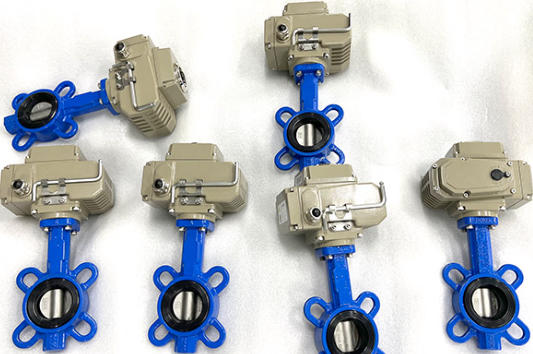
Viton is a fluoroelastomer that provides high resistance to aggressive chemicals, oils, and elevated temperatures, making it the premium choice among the three materials. It is significantly more expensive than Buna and EPDM but delivers long-term performance where standard elastomers cannot survive.
Key advantages of Viton include:
- Excellent chemical compatibility with many oils, fuels, and strong acids.
- High-temperature performance and stability in demanding process conditions.
- Good resistance to ozone, oxidation, and many harsh industrial environments.
- Retains elasticity under pressure and at elevated temperatures.
- Suitable for sterilization and high-heat cleaning processes.
Disadvantages of Viton include:
- Higher material cost compared with Buna and EPDM.
- Reduced flexibility at very low temperatures.
- Limited compatibility with certain ketones and some aqueous systems.
Viton is selected where chemical resistance and high temperature outweigh cost considerations. Examples include:
- Chemical processing valves handling aggressive hydrocarbon or solvent streams.
- Oil and gas service valves exposed to high temperatures and severe chemicals.
- Specialty pump and valve seals requiring long-term stability in demanding industrial environments.
In pure water or standard municipal applications, Viton is usually not necessary and may not offer added value compared with EPDM, especially considering cost.
The table below summarizes key differences to help engineers quickly narrow down the right seal material for a given application.
| Factor | Buna (NBR) | EPDM | Viton (FKM) |
|---|---|---|---|
| Typical use | Oil, fuels, some chemicals | Water, steam, outdoor service | Oils, fuels, aggressive chemicals |
| Cost level | Low, very economical | Medium | High, premium option |
| Temp. capability | Moderate range, not extreme | Wide range for water/steam | Excellent at high temperature |
| Water resistance | Good in some conditions | Excellent for water and steam | Limited in many hot water/steam services |
| Oil/fuel resistance | Excellent | Poor | Excellent |
| Weather/ozone resistance | Limited | Excellent for outdoor exposure | Very good |
| Typical valve uses | Industrial oil service, hydraulic seals | Waterworks valves, HVAC, municipal pipelines | Chemical, oil & gas, high-temperature valves |
This high-level comparison should always be combined with detailed chemical compatibility charts from the valve manufacturer for final selection.
To simplify seal selection for water treatment and municipal systems, consider the primary application scenario first and then refine using chemical and temperature data.
1. Municipal drinking water and distribution
- Preferred seal: EPDM, because of its excellent water and steam resistance, ozone resistance, and suitability for outdoor buried or above-ground valves.
- Verify: Local potable water approvals and disinfectant compatibility.
2. Wastewater, sewage, and sludge
- Typical seal: EPDM for general wastewater with cleaning agents and aeration gases.
- Consider Buna when oil content is higher or when the media includes certain hydrocarbons, while always checking compatibility.
3. Water systems with oils, fuels, or hydrocarbons present
- Preferred seal: Buna for many oil–water mixtures at moderate temperatures.
- Upgrade to Viton when temperature or chemical concentration is high or when aggressive solvents are present.
4. Chemical dosing and disinfection systems
- Use EPDM or Viton depending on the specific chemicals, pH, and temperature.
- Always reference chemical resistance charts and, for critical dosing, consult the valve manufacturer's technical team.
5. High-temperature industrial or process water
- Consider Viton when continuous high-temperature exposure or aggressive chemical cleaning is expected.
- In steam-dominant systems, EPDM may remain the preferred choice, subject to pressure and temperature limits.
This structured approach helps EPC contractors and system designers standardize selection criteria across projects, reducing trial-and-error in the field.
Choosing the wrong seal material for a valve can cause premature failures that increase downtime and maintenance cost. Some of the most common symptoms include:
- Swelling or softening of the elastomer when exposed to incompatible oils, fuels, or chemicals.
- Cracking and embrittlement due to ozone, UV, or extreme low-temperature exposure beyond the material's capability.
- Permanent deformation (high compression set) after long-term high-temperature or high-pressure operation.
- Surface peeling or blistering when exposed to strong oxidizing agents that the material cannot withstand.
Monitoring these failure patterns can help operators identify when a different material, such as switching from Buna to EPDM or from EPDM to Viton, is required for long-term reliability.
To ensure optimal seal performance, project teams should work closely with the valve manufacturer during specification stages. Effective collaboration typically includes:
- Providing detailed media information, including chemical composition, solids content, and cleaning agents.
- Sharing expected temperature and pressure profiles, including maximum and minimum conditions.
- Confirming regulatory and certification requirements for the installation region.
- Requesting manufacturer recommendations and chemical resistance data for Buna, EPDM, and Viton options.
This process helps align material selection with both field conditions and manufacturing capabilities, improving lifecycle performance and total cost of ownership.
Selecting between Buna, EPDM, and Viton should always be based on real operating conditions rather than guesswork. For complex water treatment, municipal pipeline, or industrial applications, the engineering team at Tianjin Wode Valve Co., Ltd. can recommend the most suitable seal material based on your fluid, temperature, and regulatory requirements.
If you are planning a new project or upgrading existing systems, contact us with your medium data sheet, design pressure, temperature range, and applicable standards. Our specialists will help you specify the right valve type and seal material combination to optimize reliability, extend service life, and control total cost across your global projects.
Contact us to get more information!
For most potable water and distribution systems, EPDM is generally recommended because it offers excellent resistance to water, steam, and disinfectants and performs well in outdoor conditions. Final material choice should comply with regional drinking water approvals and be confirmed with the valve manufacturer.
Buna is preferred when the system handles oils, fuels, or oil–water mixtures and operates at moderate temperatures, where its oil resistance and mechanical strength are advantageous. It is less suitable for long-term outdoor exposure or strong oxidizing agents compared to EPDM.
Viton is a premium material, but it is not automatically the best choice for every application. It should be used where high temperature or aggressive chemicals demand its advanced resistance; in standard water systems, EPDM often offers better value.
Standardizing can simplify inventory and maintenance, but using only one material may lead to misapplication in specific chemical or temperature conditions. A better approach is to define a small, well-chosen set of materials—such as EPDM for water, Buna for oils, and Viton for aggressive chemicals—and apply each where it performs best.
Engineers should consult chemical resistance charts from the valve manufacturer or elastomer supplier, cross-checking the exact chemical, concentration, temperature, and exposure time. For critical or borderline cases, it is recommended to discuss the application with the manufacturer's technical team and consider laboratory or field testing before large-scale deployment.
1. https://www.flomatic.com/news/buna-epdm-viton-in-valves-selection-guide/
2. https://www.rodgerindustries.com/knowledge-center/~69-Buna-EPDM-Viton-what-s-the-difference-
3. https://www.electricsolenoidvalves.com/blog/guide-to-valve-seal-materials-viton-ptfe-nbr-and-epdm/
4. https://www.pumpsandsystems.com/seal-selection-guide-which-material-right-choice
5. https://pov-valve.com/valve/epdm-vs-viton/


