

Views: 222 Author: Rebecca Publish Time: 2026-02-27 Origin: Site


Content Menu
● What Are Brass and Bronze Valves?
● Bronze vs Brass Valve Properties for Water and Municipal Systems
>> Bronze vs Brass Valve Properties
● How Brass vs Bronze Ball Valves Compare
● In-Depth: Bronze Valve Characteristics
● In-Depth: Brass Valve Characteristics
● Modern Metallurgy and Lead-Free Developments
● Practical Selection Guide for Water and Municipal Applications
>> Analyze the Medium and Water Chemistry
>> Consider Pressure, Temperature, and Mechanical Load
>> Evaluate Installation Environment
>> Balance Cost and Lifecycle Performance
● Checklist: How to Choose Between Bronze and Brass Valves
● Case Insight: Coastal Municipal Water System
● When to Consult a Valve Specialist
● Take the Next Step: Get a Tailored Bronze or Brass Valve Solution
● FAQs: Bronze vs Brass Valves
>> 1. Are brass valves safe for drinking water?
>> 2. Why are bronze valves preferred in seawater systems?
>> 3. What is dezincification-resistant brass and when should I use it?
>> 4. Are bronze valves always more durable than brass valves?
>> 5. How do cost differences impact my material choice?
When choosing between bronze valves and brass valves for water treatment plants, municipal pipelines, fire protection systems, or building services, the right decision directly affects system safety, lifecycle cost, and regulatory compliance. This guide explains the key differences between bronze and brass valves, practical selection criteria, and real-world use cases so engineers, distributors, and project owners can confidently specify the best material for each application.
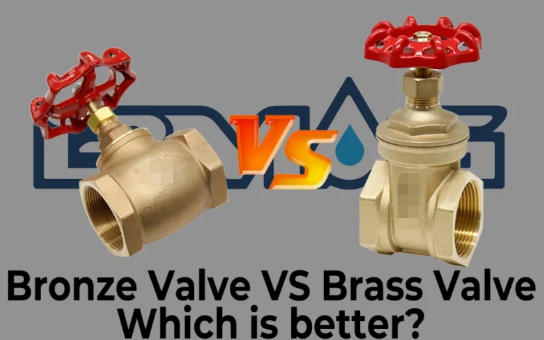
Both brass and bronze are copper-based alloys widely used for industrial, municipal, and building services valves thanks to their strength, machinability, and corrosion resistance.
- Brass valves use copper and zinc (with optional small additions of lead, tin, or other elements), giving good machinability and cost-effectiveness.
- Bronze valves use copper and tin (often with aluminum, manganese, or nickel), offering higher strength and superior corrosion resistance in aggressive media, especially seawater and brackish water.
In water and municipal service, both materials are common for gate valves, globe valves, check valves, ball valves, and hydrant valves, but their performance diverges once you factor in water chemistry, pressure, and environment.
The table below summarizes the most important differences for engineering and purchasing decisions.
| Factor | Brass Valves | Bronze Valves |
|---|---|---|
| Basic composition | Copper + zinc, small alloying elements. | Copper + tin, often with Al, Mn, Ni. |
| Typical manufacturing | Cast, forged, extruded, cold drawn; excellent machinability. | Mostly cast, then machined; harder to machine. |
| Corrosion resistance | Very good in many water and gas services; sensitive to high-chlorine or highly aggressive water (dezincification risk). | Excellent in seawater, brackish water, and many aggressive fluids; high resistance to dezincification. |
| Mechanical strength | Moderate; good for general low–medium pressure service. | Higher strength and hardness; better for high-pressure and abrasive fluids. |
| Lead content (traditional) | Generally lower; modern low-lead brass widely used for potable water. | Traditionally higher; now available in low-lead or lead-free grades for drinking water. |
| Cost level | Lower initial cost; attractive for budget-sensitive projects. | Higher material and casting cost, but longer life in harsh environments. |
| Typical applications | Potable water indoors, HVAC, natural gas, general plumbing, small valves. | Marine service, seawater intake or outfall, coastal fire mains, heavy-duty waterworks. |
The core principle is simple: choose brass valves for general-purpose potable water and gas where water chemistry is controlled, and bronze valves where you face seawater, brackish water, or demanding municipal and industrial conditions.
Ball valves are a core product for water treatment skids, building risers, and municipal branches, so material choice matters.
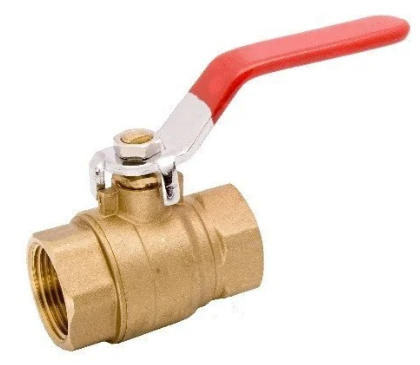
- Brass ball valves are widely used for indoor plumbing, heating loops, and gas lines where corrosion levels are moderate and temperatures and pressures are within standard ratings.
- Bronze ball valves are preferred on seawater cooling lines, desalination plants, coastal pump stations, and shipboard systems, where chloride levels are high and long-term corrosion resistance is critical.
In many projects, contractors use brass ball valves inside buildings and bronze ball valves on outdoor or coastal pipework that is exposed to spray, salt-laden air, or untreated water.
Bronze has a long history in valve manufacturing, dating back to early piping systems where copper, tin, and lead were cast into simple flow control devices. Modern bronze alloys are more sophisticated, often incorporating manganese, aluminum, or nickel to fine-tune mechanical and corrosion performance.
Main advantages of bronze valves:
- Excellent corrosion resistance in seawater, brackish water, and many chemical environments.
- Higher strength and hardness, ideal for high-pressure water, steam, and abrasive slurry service.
- Good ductility under stress, which helps absorb shock loads and pressure surges in distribution pipelines.
- Proven track record in marine and offshore systems, shipbuilding, and coastal fire protection networks.
Limitations of bronze valves:
- Cast structure is more porous and less suitable for high-polish decorative finishes.
- Traditional tin bronze may have higher lead content; for potable water, lead-free bronze is now preferred.
- Casting and machining costs are typically higher than for brass, raising unit price.
For municipal waterworks, bronze is often selected for seawater intake, coastal transmission mains, and hydrant valves where long-term corrosion resistance is more important than the lowest purchase price.
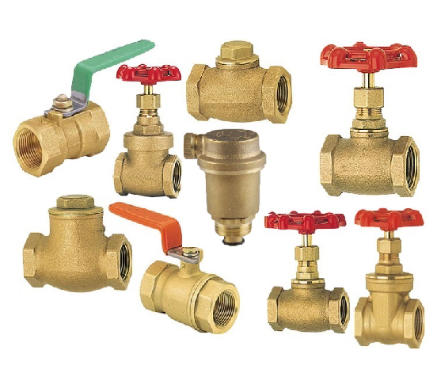
Brass is highly malleable and machinable, which makes it a favorite for manufacturers producing high volumes of precision valve parts.
Main advantages of brass valves:
- Excellent machinability, allowing complex ball, gate, and check valve bodies to be produced with tight tolerances and smooth ports.
- High corrosion resistance in many potable water, natural gas, and HVAC applications, especially when chlorine levels are controlled.
- Smooth surface finish, which reduces finishing and plating costs and improves sealing with elastomer seats.
- Typically lower lead content than traditional bronze, and widely available as low-lead brass meeting modern drinking-water standards.
Limitations of brass valves:
- Susceptible to dezincification in high-chlorine or aggressive waters, which leaches zinc from the alloy and weakens the metal over time.
- Standard yellow brass is not recommended for long-term service in hot chlorinated water or seawater.
To address these issues, many suppliers offer dezincification-resistant brass valves, produced via controlled alloy design and heat treatment, which significantly improve corrosion resistance in challenging potable water systems.
Contemporary foundries have dramatically improved both bronze valve and brass valve performance through alloy optimization and process control.
Key developments include:
- Lead-free bronze and low-lead brass that comply with stringent drinking-water regulations, reducing lead content while maintaining machinability and corrosion resistance.
- Dezincification-resistant brass grades with higher copper and lower zinc, plus specialized heat treatment, to resist dezincification in chlorinated systems.
- Enhanced bronze alloys with aluminum or nickel for improved strength and resistance in high-pressure, high-temperature, or chemical processing environments.
For specifiers on water treatment or municipal pipeline projects, the decision is no longer simply old bronze versus old brass, but rather which modern alloy family best matches the actual water chemistry and duty cycle.
When deciding between bronze and brass valves, you should match material to medium, pressure, environment, and budget.
- For potable water with controlled chlorine levels, low-lead brass valves provide a strong balance of cost and performance.
- For seawater, brackish water, or wastewater with high chloride content, bronze valves are preferred due to superior resistance to pitting and dezincification.
- For natural gas and many inert industrial fluids, brass valves are widely used and cost-effective.
- For general distribution mains and building services at standard water pressures, both materials can be suitable, but brass offers cost benefits.
- For high-pressure, high-velocity, or mildly abrasive service, such as some sludge lines or pump discharge, bronze offers higher strength and better safety margins.
- Indoors, in mechanical rooms or conditioned spaces, brass valves typically perform very well and remain visually clean.
- Outdoors, especially in coastal regions, treatment plants near the sea, or exposed fire hydrant networks, bronze extends service life thanks to its higher environmental resistance.
- Brass offers lower upfront cost, faster machining, and is ideal where conditions are moderate and replacement access is easy.
- Bronze, while more expensive initially, often yields lower lifecycle cost in aggressive environments due to reduced failure and replacement frequency.
Use this simple step-by-step checklist when specifying valves for your next project.
1. Define the medium: potable water, seawater, wastewater, natural gas, or chemicals.
2. Confirm water chemistry: chloride content, chlorine dosing, pH, temperature.
3. Confirm pressure and temperature ratings: normal and surge conditions.
4. Identify installation environment: indoor, buried, coastal, offshore, or industrial plant.
5. Check regulatory requirements: drinking-water standards, lead restrictions, fire codes.
6. Estimate lifecycle cost: maintenance access, downtime cost, replacement frequency.
7. Match material:
- If media is seawater or highly aggressive, choose bronze valves.
- If media is potable water or gas in controlled conditions, choose brass or dezincification-resistant brass valves.
- If in doubt, consult the valve manufacturer's engineering team with your data for a tailored recommendation.
In a typical coastal city upgrading its water distribution and fire protection network, engineers might face the following scenario:
- Indoor building risers and meter sets: low-lead brass ball valves and check valves are selected for their compact design, smooth operation, and competitive cost.
- Street mains and hydrant laterals within salty air zones: bronze gate valves and hydrant valves are specified to handle external corrosion and occasional seawater intrusion.
- Wastewater or desalination intake lines: bronze valves are used at pump suction and discharge where chloride levels and turbulence are high.
By aligning valve material with actual environmental risk, the municipality reduces leakage, unplanned shutdowns, and emergency replacements over the system's design life.
Even with clear guidelines, many borderline applications, such as mixed chemical streams, high-temperature disinfection, or combined seawater and effluent lines, require expert evaluation.
Situations where you should engage a specialist include:
- Complex water treatment lines combining oxidizing chemicals, varying pH, and elevated temperatures.
- Critical fire protection, district cooling, or industrial utility systems where failure risk is unacceptable.
- Projects needing alignment with international standards and local codes simultaneously.
An experienced valve manufacturer in water treatment and municipal pipeline valves can review drawings, piping and instrumentation diagrams, and water analysis reports to specify the optimum combination of bronze, brass, and alternative materials for each line.
If you are planning or upgrading a water treatment plant, municipal pipeline, fire protection network, or building services system, choosing the right combination of bronze and brass valves will directly impact reliability, safety, and long-term cost. Share your project conditions, water analysis, and technical requirements with a professional valve manufacturer so you can receive expert material selection support, optimized valve configurations, and a complete solution that is engineered for your specific application.
Contact us to get more information!
Yes, low-lead brass valves specifically designed for potable water are widely used and accepted in many markets. You should always verify certifications and local standards before selecting valves for drinking-water systems.
Bronze's copper and tin matrix provides strong resistance to chloride-induced corrosion and dezincification, which makes it more reliable in seawater, brackish water, and coastal environments. This leads to longer service life and fewer failures.
Dezincification-resistant brass is a specially formulated and heat-treated brass that resists zinc loss in aggressive, chlorinated water. It should be used in potable water systems with higher chlorine levels or where standard brass has previously shown dezincification issues.
Bronze usually offers higher strength and better performance in corrosive environments, but in clean indoor potable water service, both materials can deliver long life when correctly applied. Durability ultimately depends on matching material to the medium and environment.
Brass valves generally have a lower purchase price because of the cheaper alloy and easier machining. However, in harsh environments where corrosion is severe, bronze's longer life often produces a lower total cost of ownership over the entire system lifecycle.
1. https://www.dombor.com/bronze-valve-vs-brass-valve/
2. https://redwhitevalvecorp.com/bronze-vs-brass-valves/
4. https://kas.com.tr/en/blog/what-are-the-differences-between-brass-and-bronze-valves/
5. https://www.bwvalve.com/pap/the-difference-between-brass-valves-and-bronze-valves/
6. https://plumberstar.com/brass-valve-vs-bronze-valve/
7. https://www.juhanvalve.com/Knowledge/18.html
8. https://www.cpvmfg.com/news/bronze-vs-brass-valves-whats-the-difference/
10. https://www.tangovalve.com/brass-valves-vs-bronze-valves/
11. https://www.bossealvalves.com/news/brass-vs-bronze-valves-material-properties-application.html


